
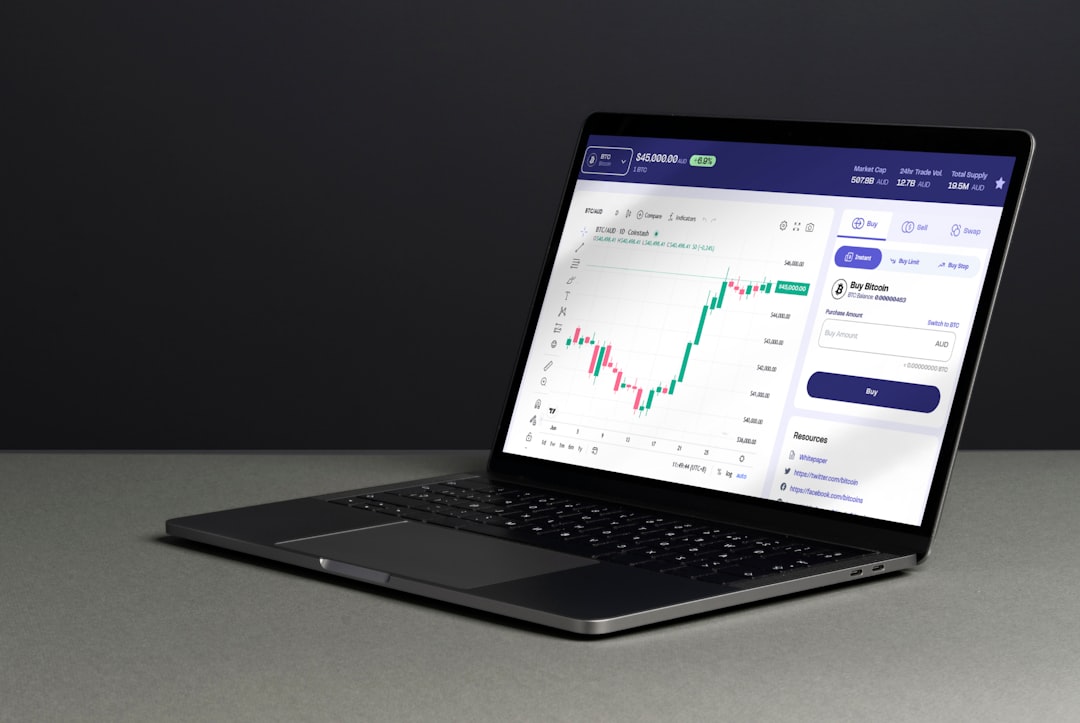
The landscape of US financial markets is undergoing a fundamental transformation as sophisticated technical breakout patterns emerge as the dominant force behind institutional and retail investment strategies. This shift represents more than just a trend—it’s a complete reimagining of how market participants identify opportunities and execute trades in an increasingly complex financial ecosystem.
Traditional fundamental analysis, while still relevant, is taking a backseat to the precision and timing that technical breakout strategies provide. Professional traders and investment firms are deploying advanced algorithms specifically designed to detect these breakout formations across multiple timeframes simultaneously. The speed at which these systems can identify and act upon technical breakout signals has created a new competitive advantage that’s reshaping market microstructure.
What makes this evolution particularly significant is the democratization of technical analysis tools. Retail investors now have access to the same sophisticated charting platforms and real-time data feeds that were once exclusive to Wall Street firms. This accessibility has led to a dramatic increase in the number of market participants actively scanning for technical breakout opportunities, fundamentally altering supply and demand dynamics across various sectors.
The technology sector has become a prime testing ground for these strategies, with stocks like NVIDIA, Apple, and Microsoft frequently exhibiting textbook technical breakout patterns that attract massive volume surges. When these large-cap names experience a legitimate technical breakout, the resulting price movements often cascade throughout related sectors, creating a domino effect that amplifies market volatility and presents additional opportunities for prepared traders.
Cryptocurrency integration into traditional portfolios has added another layer of complexity to technical breakout analysis. Digital assets often display more pronounced breakout patterns due to their inherent volatility and 24/7 trading nature. Many institutional investors are now incorporating crypto technical breakout signals into their broader market timing strategies, creating unprecedented correlations between traditional equity markets and digital asset movements.
Risk management protocols have evolved alongside these technical methodologies. Modern position sizing algorithms now factor in the specific characteristics of each technical breakout pattern, adjusting exposure based on historical success rates and current market conditions. This data-driven approach has significantly reduced the emotional decision-making that previously plagued individual investors attempting to trade breakout patterns manually.
The Federal Reserve’s monetary policy decisions continue to influence the effectiveness of technical breakout strategies. During periods of quantitative tightening or loosening, certain breakout patterns tend to perform differently, leading to the development of adaptive algorithms that modify their selection criteria based on prevailing macroeconomic conditions. This intersection of technical analysis and monetary policy awareness represents a sophisticated evolution in market analysis.
Machine learning applications have revolutionized pattern recognition capabilities, enabling the identification of subtle technical breakout formations that human analysts might overlook. These systems continuously learn from market behavior, refining their ability to distinguish between legitimate breakouts and false signals. The accuracy improvements have been substantial, with some institutional systems reporting success rates exceeding 70% for qualified technical breakout trades.
As we look toward the remainder of this decade, the influence of technical breakout analysis on US market structure will likely intensify. The convergence of artificial intelligence, real-time data processing, and sophisticated risk management systems has created an environment where technical patterns carry more predictive weight than ever before. Market participants who understand and adapt to this technical breakout-driven landscape will find themselves well-positioned to capitalize on the opportunities this evolution continues to generate.
