
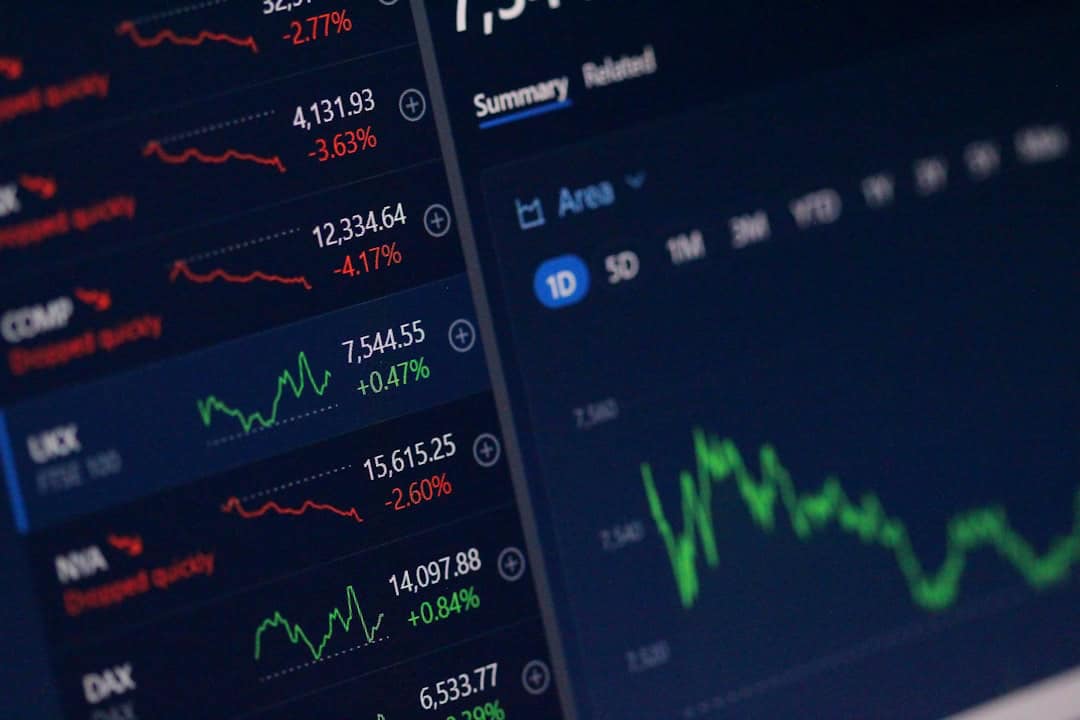
Financial markets are experiencing unprecedented volatility as economists and investors grapple with what analysts are calling the most significant consumer sentiment shift in modern history. This dramatic transformation in consumer behavior and confidence is not just reshaping retail landscapes—it’s fundamentally altering investment strategies, corporate earnings forecasts, and monetary policy decisions worldwide.
The consumer sentiment shift began subtly but has accelerated into a force that’s impossible to ignore. Traditional spending patterns that guided investment decisions for decades are crumbling, replaced by new priorities that reflect changing economic realities, generational preferences, and evolving financial circumstances. Consumer confidence indices, once reliable predictors of market direction, are painting a complex picture that’s forcing analysts to reconsider their fundamental assumptions about economic behavior.
What makes this consumer sentiment shift particularly noteworthy is its breadth and persistence. Unlike previous fluctuations that typically affected specific demographics or regions, this transformation spans age groups, income levels, and geographic boundaries. Younger consumers are demonstrating unprecedented financial caution, while traditionally conservative older demographics are embracing risk in unexpected ways. This role reversal has caught many institutional investors off guard, leading to significant portfolio adjustments across major financial institutions.
The ripple effects are visible across multiple sectors. Retail giants that built empires on predictable consumer behavior are scrambling to adapt their strategies. Technology companies that banked on continuous consumption growth are revising their revenue projections downward. Meanwhile, sectors previously considered defensive plays are experiencing unexpected surges as consumers redirect their spending toward experiences, sustainability, and long-term value rather than immediate gratification.
Economic Indicators Tell a Complex Story
Traditional economic indicators are struggling to capture the full scope of this consumer sentiment shift. While employment numbers remain relatively stable and wage growth continues in many sectors, consumer spending patterns have diverged dramatically from historical norms. Credit card data reveals fascinating insights: consumers are increasingly selective about discretionary purchases, yet paradoxically increasing their investments in education, health, and technology that promise long-term benefits.
This selectivity is creating winners and losers in unexpected places. Companies that can demonstrate clear value propositions and align with evolving consumer values are thriving, while those relying on brand loyalty or convenience alone are struggling. The consumer sentiment shift has essentially accelerated a transformation that might have taken years to unfold under normal circumstances.
Central banks worldwide are monitoring this phenomenon closely, as traditional monetary policy tools may prove less effective when consumer behavior deviates so significantly from established patterns. Interest rate adjustments that previously produced predictable consumer responses are generating mixed results, forcing policymakers to consider alternative approaches to economic management.
Investment Implications and Market Response
Portfolio managers are finding that the consumer sentiment shift requires fundamental strategy overhauls rather than simple tactical adjustments. Sectors that benefited from consistent consumer spending are experiencing sustained pressure, while companies positioned to capitalize on new consumer priorities are seeing their valuations soar. This has created significant dispersion in market performance, with traditional correlations breaking down as investors struggle to identify sustainable trends versus temporary fluctuations.
The shift is particularly evident in emerging markets, where consumer sentiment changes can have outsized economic impacts. Countries heavily dependent on consumer-driven growth are implementing policy adjustments to accommodate new spending patterns, while nations with strong export capabilities are benefiting from redirected global demand.
Institutional investors are increasingly incorporating consumer sentiment analysis into their decision-making processes, moving beyond traditional financial metrics to understand the psychological and cultural factors driving this transformation. Hedge funds specializing in consumer behavior analytics are outperforming broader market indices, while traditional value investors are finding their time-tested approaches less reliable.
The most successful investors are those who recognize that this consumer sentiment shift represents more than a temporary disruption—it’s a fundamental realignment of economic priorities that will likely persist and evolve. Companies and investment strategies that adapt quickly to these new realities are positioning themselves for sustained success, while those clinging to outdated assumptions about consumer behavior face continued challenges. As this transformation continues to unfold, the ability to understand and anticipate consumer sentiment shifts will increasingly separate winning investments from those left behind by changing economic tides.
