
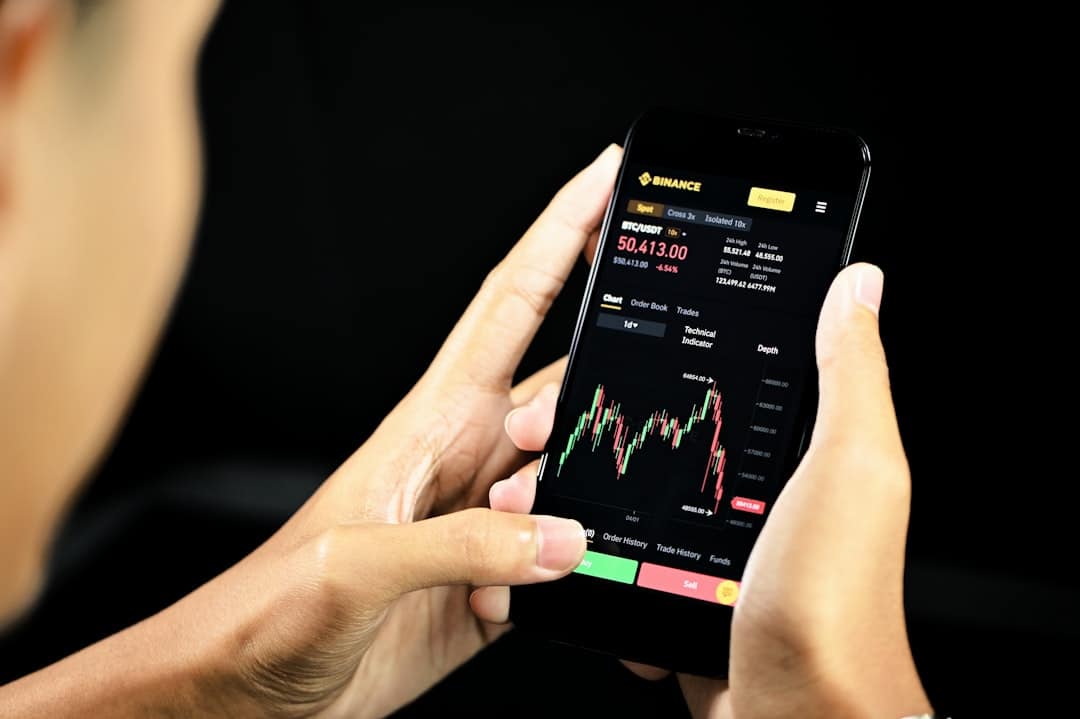
When a short squeeze alert flashes across trading platforms, experienced investors know that significant market turbulence lies ahead. These alerts represent more than simple technical indicators—they signal a fundamental shift in market dynamics that can generate extraordinary returns for those positioned correctly, while devastating unprepared short sellers.
Short squeeze alerts have become increasingly sophisticated, utilizing real-time data analytics to identify stocks approaching critical pressure points. As institutional algorithms and retail trading platforms compete for speed and accuracy, understanding these signals has become essential for navigating today’s volatile markets.
Understanding the Mechanics Behind Short Squeeze Alert Systems
Modern short squeeze alert systems monitor multiple data streams simultaneously, tracking short interest ratios, days-to-cover metrics, and unusual options activity. When these indicators converge, they create a perfect storm scenario where heavily shorted stocks face sudden buying pressure that forces short sellers to cover their positions at increasingly higher prices.
The most reliable alerts incorporate borrowed share availability, cost-to-borrow rates, and institutional ownership data. When a stock shows short interest exceeding 20% of float while maintaining limited share availability for borrowing, the alert system flags potential squeeze conditions. These technical factors, combined with catalyst events like earnings surprises or regulatory announcements, can trigger explosive price movements within hours.
Advanced traders also monitor social sentiment analysis and retail trading volume spikes, as coordinated buying campaigns can accelerate squeeze conditions. The integration of alternative data sources has made contemporary short squeeze alert systems more predictive than traditional technical analysis alone.
Market Conditions That Amplify Short Squeeze Potential
Current market volatility has created an environment where short squeeze alerts carry heightened significance. Low-float stocks with concentrated ownership structures become particularly vulnerable when short sellers overextend their positions during market downturns.
Sector rotation and thematic investing trends also influence squeeze dynamics. When previously unloved sectors experience renewed investor interest, heavily shorted stocks within those sectors face dual pressure from both sector momentum and forced short covering. Technology, biotech, and emerging market sectors have demonstrated this pattern repeatedly.
Interest rate environments play a crucial role in squeeze sustainability. Higher borrowing costs make maintaining short positions expensive, while margin requirements can force premature position closure. Professional traders monitor Federal Reserve policy signals alongside short squeeze alerts to gauge potential duration and intensity of squeeze events.
Technology and Data Analytics Transforming Squeeze Detection
Artificial intelligence and machine learning algorithms now power the most sophisticated short squeeze alert platforms. These systems process vast amounts of market data, identifying patterns invisible to traditional analysis methods. Real-time monitoring of dark pool activity, unusual options flow, and institutional block trades provides early warning signals before squeeze conditions become obvious to broader markets.
High-frequency trading firms have developed proprietary models that can predict squeeze probability with remarkable accuracy. These models incorporate factors ranging from earnings whisper numbers to patent filing schedules, creating comprehensive risk assessment frameworks that extend far beyond basic short interest metrics.
The democratization of advanced analytics has leveled the playing field between institutional and retail traders. Cloud-based platforms now offer sophisticated short squeeze alert capabilities that were previously available only to hedge funds and professional trading firms.
Risk Management Strategies for Short Squeeze Trading
Successful traders approach short squeeze alert opportunities with disciplined risk management protocols. Position sizing becomes critical, as squeeze events can produce both spectacular gains and devastating losses within short timeframes. Professional traders typically risk no more than 2-3% of portfolio capital on individual squeeze plays, regardless of apparent opportunity size.
Stop-loss strategies require careful calibration during squeeze events, as normal technical levels often fail during periods of extreme volatility. Many experienced traders prefer time-based exits rather than price-based stops, recognizing that squeeze momentum can reverse quickly once short covering concludes.
Options strategies can provide leveraged exposure while limiting downside risk. Long call positions and bull call spreads allow traders to participate in squeeze upside while maintaining defined risk parameters. However, implied volatility expansion during squeeze events can erode options premium despite favorable underlying price movement.
The evolution of short squeeze alert technology represents a fundamental shift in how markets process and react to imbalanced positioning. As these systems become more sophisticated and widely adopted, they create self-reinforcing cycles that amplify market volatility while providing savvy traders with unprecedented opportunities to capitalize on institutional positioning mistakes. The key to success lies not just in recognizing alerts, but in understanding the complex interplay of factors that determine whether alerts translate into sustained squeeze events or merely temporary price spikes.
