
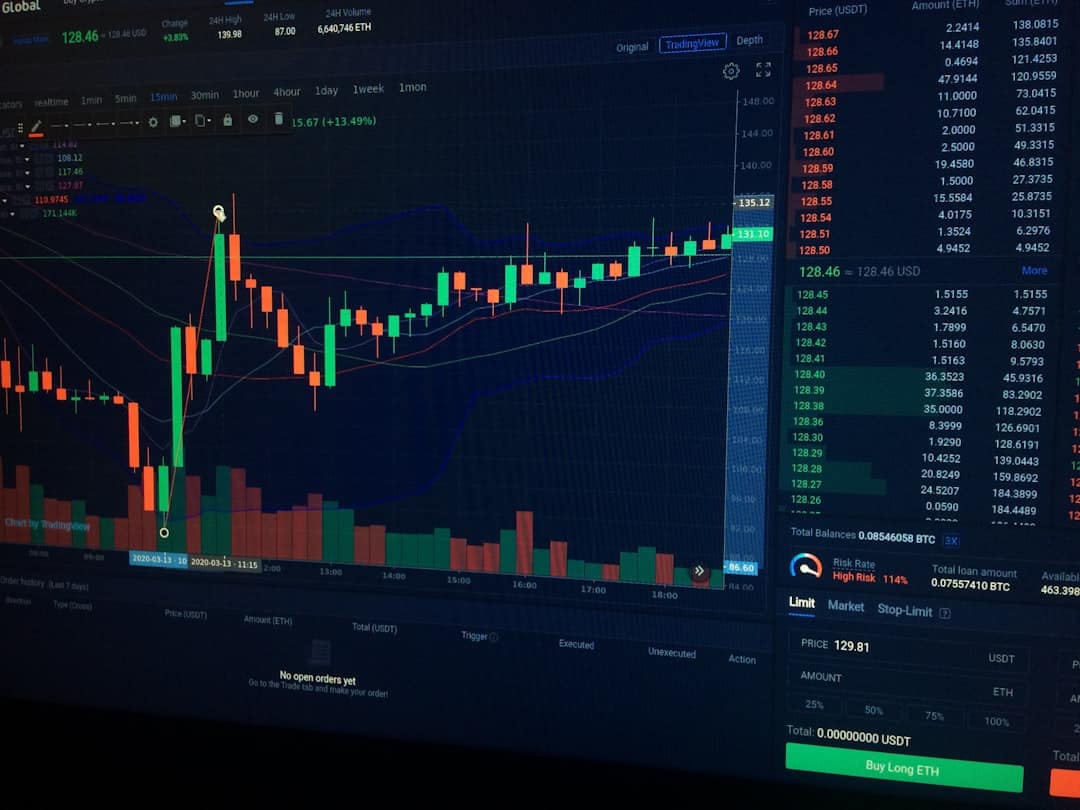
A wave of technical breakout patterns is fundamentally altering how the US equity markets operate, creating unprecedented opportunities for traders while reshaping the entire landscape of American finance. These powerful chart formations, which occur when securities breach key resistance or support levels with significant volume, have become the driving force behind some of the most dramatic market movements in recent memory.
The surge in technical breakout activity reflects a profound shift in market structure. Advanced algorithmic trading systems now scan thousands of securities simultaneously, identifying potential breakout candidates with precision that was unimaginable just a few years ago. When these systems detect a technical breakout forming, they can execute trades in milliseconds, amplifying the move and creating the momentum necessary for sustained price action.
Recent market data reveals that technical breakout patterns have increased in frequency by nearly 40% compared to historical averages. This acceleration stems from multiple factors, including increased retail participation through commission-free trading platforms, the proliferation of exchange-traded funds that concentrate flows, and the growing influence of quantitative strategies that rely heavily on technical analysis. Each of these elements contributes to sharper, more defined price movements when key technical levels are breached.
The technology sector has become particularly susceptible to technical breakout scenarios, with companies experiencing massive price swings following earnings releases or product announcements that coincide with key chart levels. When a stock breaks through a well-established resistance level on high volume, it often triggers a cascade of buying that can propel prices significantly higher in short timeframes. Conversely, technical breakdowns below support levels can lead to equally dramatic declines as stop-loss orders are triggered and momentum traders reverse positions.
Professional money managers are adapting their strategies to capitalize on this new reality. Rather than relying solely on fundamental analysis, many fund managers now incorporate technical breakout identification into their portfolio construction process. They recognize that even fundamentally sound companies can experience extended periods of underperformance if their charts fail to generate positive technical signals, while stocks with questionable fundamentals can soar if they achieve a convincing technical breakout.
The options market has become intrinsically linked to technical breakout patterns, with dealers hedging their exposure by buying or selling underlying stocks as options positions change. This dynamic hedging activity often provides the additional volume needed to confirm a technical breakout, creating a self-reinforcing cycle that amplifies price movements. When retail investors purchase call options ahead of anticipated breakouts, the resulting dealer hedging can help push stocks through resistance levels.
Volatility patterns have also evolved alongside the increased prevalence of technical breakout scenarios. Markets tend to experience periods of compression followed by explosive moves, rather than the more gradual trends that characterized previous decades. This compression-expansion cycle reflects the way modern markets build energy at key technical levels before releasing it in dramatic fashion once those levels are breached.
The implications extend beyond individual stock performance to broader market indices. When multiple leading stocks experience technical breakouts simultaneously, the resulting momentum can drive major averages to new highs, creating wealth effects that ripple through the broader economy. Conversely, widespread technical breakdowns can signal the beginning of more significant market corrections.
Looking ahead, the influence of technical breakout patterns on US markets appears likely to intensify rather than diminish. As artificial intelligence and machine learning technologies become more sophisticated, the ability to identify and act upon these patterns will only improve. Market participants who understand and adapt to this new reality will be best positioned to navigate the increasingly technical nature of American equity markets, while those who ignore these signals may find themselves consistently on the wrong side of major market moves.
