
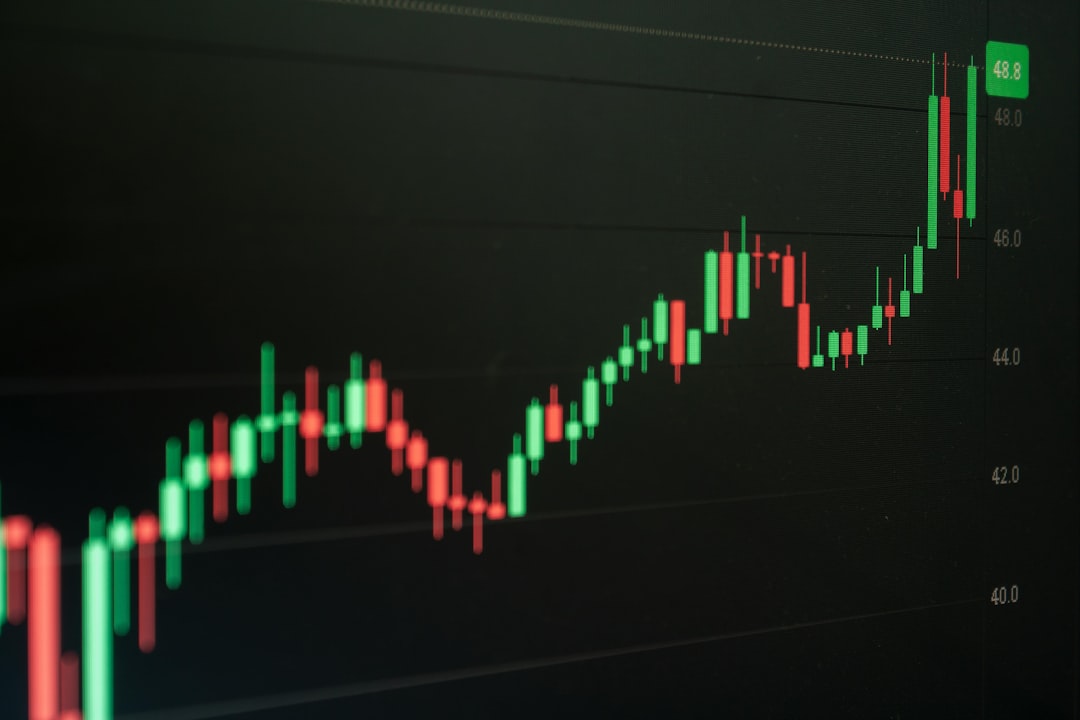
Financial markets have witnessed a dramatic transformation in how investors analyze and interpret trading signals, with unusual options activity emerging as one of the most powerful indicators of market sentiment and potential price movements. This sophisticated form of market intelligence has revolutionized how both institutional and retail investors approach their trading strategies, providing unprecedented insights into the collective wisdom of market participants.
Unusual options activity refers to trading volumes in options contracts that significantly exceed their typical historical patterns. When a stock’s options experience volume spikes of 200%, 500%, or even 1,000% above normal levels, it often signals that informed traders are positioning for major price movements. These anomalies can indicate pending earnings surprises, merger and acquisition activity, regulatory announcements, or other catalyst events that could dramatically impact stock prices.
The innovation behind detecting unusual options activity lies in advanced algorithmic systems that continuously monitor millions of options contracts across thousands of securities. These sophisticated platforms analyze historical volume patterns, implied volatility changes, and unusual put-to-call ratios to identify potentially significant trading anomalies. Machine learning algorithms have enhanced this process by incorporating multiple data points including social media sentiment, news flow analysis, and institutional positioning data to provide more accurate signal detection.
Investment professionals increasingly rely on unusual options activity as a cornerstone of their research process. Unlike traditional fundamental analysis, which can take weeks or months to reveal market opportunities, options flow analysis provides real-time insights into where sophisticated money is positioning. When large block trades appear in options markets, particularly in far-out-of-the-money contracts or with unusual expiration dates, it often indicates that traders with superior information are making calculated bets on future price movements.
The accessibility of unusual options activity data has democratized market intelligence that was once exclusive to institutional investors. Retail trading platforms now offer sophisticated screening tools that alert users to volume spikes, unusual institutional activity, and significant changes in options positioning. This technological advancement has leveled the playing field, allowing individual investors to identify potential opportunities alongside professional fund managers and hedge funds.
Recent market dynamics have highlighted the predictive power of unusual options activity across various sectors. Technology stocks have shown particularly strong correlations between options volume spikes and subsequent earnings surprises, while biotechnology companies often experience unusual activity ahead of FDA approval announcements. Energy sector options frequently signal insider knowledge of exploration results or regulatory changes affecting commodity prices.
Risk management represents another crucial application of unusual options activity analysis. Portfolio managers use this data to identify potential threats to their holdings, adjusting position sizes or implementing hedging strategies when they detect unusual put buying or collar strategies in their portfolio companies. This proactive approach to risk management has proven invaluable during periods of market volatility and uncertainty.
The integration of artificial intelligence and big data analytics continues to enhance the sophistication of unusual options activity detection. Modern systems can now identify subtle patterns that human analysts might miss, including cross-asset correlations, sector rotation signals, and macroeconomic positioning changes reflected in options markets. These technological advances are creating new opportunities for alpha generation and risk mitigation.
As markets evolve and become increasingly complex, unusual options activity stands as a critical tool for navigating the modern investment landscape. The combination of real-time data processing, advanced analytics, and improved accessibility ensures that this form of market intelligence will continue growing in importance, helping investors make more informed decisions in an increasingly data-driven financial ecosystem.
