
Strait of Hormuz has immediately become the first major flash point of Trump’s ‘fragile’ ceasefire
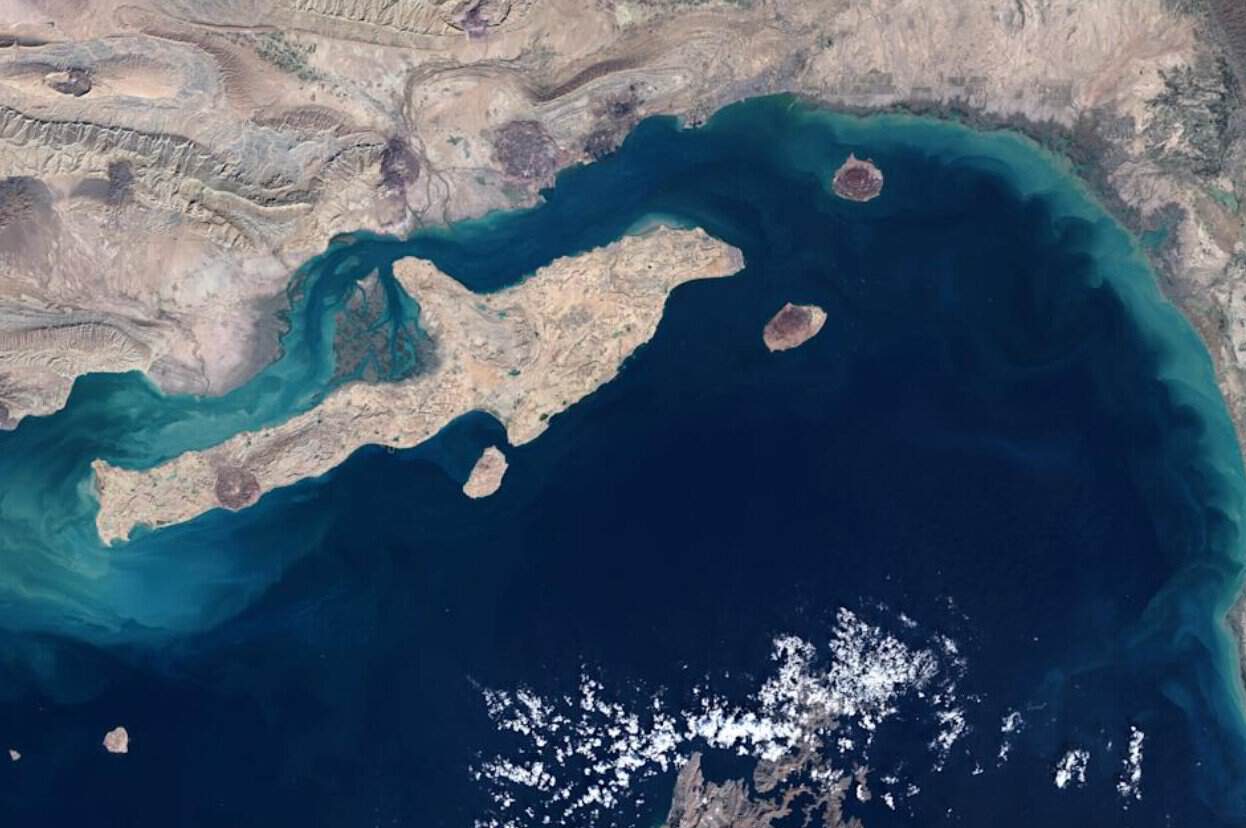
A two-week ceasefire in Iran began Wednesday with some immediate breakdowns between the Trump administration and Iran over the contours of the deal to reopen the Strait of Hormuz.
Trump announced the deal as including a “complete” reopening of the waterway, while Iran’s initial statement promised passage only “via coordination with Iran’s Armed Forces.”
But that truce appeared to be in immediate jeopardy on Wednesday as Iran’s semiofficial Fars news agency claimed that tanker traffic was “halted” over Israel’s continued strikes in Lebanon and the Wall Street Journal reported that Iran had told mediators it would limit the number of ships crossing to around a dozen a day — a fraction of the more than 130 that passed each day before the war.
It added new uncertainty for shippers just hours after independent traffic service MarineTraffic reported “early signs of vessel activity” following the announcement.
In a briefing with reporters on Wednesday, White House press secretary Karoline Leavitt called the Fars claims about a halt in traffic false and said any closing of the strait would be “completely unacceptable.” She also said the US is supportive of Israel’s position that Lebanon is not part of this ceasefire.
The Strait of Hormuz — which Iran has used as a major point of leverage since the beginning of the conflict — is just one point of disagreement, but it’s likely the first major flash point of the ceasefire that Vice President JD Vance has called “a fragile truce.”
A related issue is Iran’s intent to charge tolls for use of the 21-mile-wide waterway through which one-fifth of the world’s oil passes.
The Financial Times on Wednesday reported that Iran is moving forward with plans to charge shipowners a fee of potentially $1 per barrel of oil, paid in cryptocurrency.
As Capital Economics summed things up in a note on Wednesday, “for markets, the most critical issue remains the status of the Strait of Hormuz.”
Iranian plans for fees, the analysts wrote, may “have only a modest impact on global energy prices though, in practice, it could amount to a de facto partial nationalisation of the shipping route.”
Put another way, “the specifics of the Strait’s reopening will be key to watch,” Raymond James said in their note, to answer the larger question of “where could this fall apart?”
