
The video game industry is taking the global memory and storage shortages and price increases on the chin like a sledgehammer to the face. And Mario maker Nintendo (NTDOY) is next.
Microsoft (MSFT) has already raised the price of its Xbox consoles twice to offset the increased cost of memory and storage components, as well as President Trump’s global tariffs.
The Xbox Series S jumped from its initial launch price of $299 to $399, while the Series X price rose from $499 to $649.
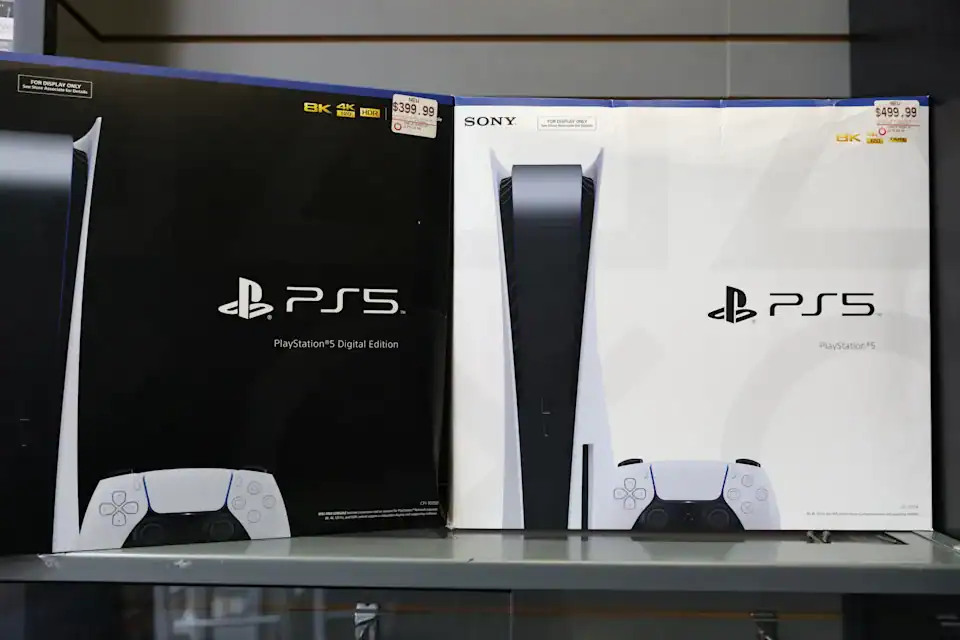
Sony (SONY) also raised the price of its PS5 twice, increasing the cost of the digital edition from $399 to $599 and the standard PS5 from $499 to $649.
Nintendo held out on raising prices longer than its rivals, but the company said last week it will increase the cost of its Switch 2 console from $449 to $499, effective Sept. 1.
Nintendo previously raised the price of its original Switch by $50. The move was meant to insulate the newer Switch 2 from early sales declines. It helped too. The Switch 2 is on track to be one of Nintendo’s bestselling consoles.
But the price increase could derail that.
“It’s not even a year since launch. So [they’re] trying to build up the install base, and now this kind of price hike … is a wrench … thrown into their wheels,” explained Serkan Toto, CEO of games industry consultancy Kantan Games.
Microsoft and Sony are already seeing the impact of their price increases on their bottom lines.
“We’ve seen a slowdown in the sales velocity of [the Xbox and PS5] since they’ve implemented price increases,” Circana executive director and games industry analyst Mat Piscatella told Yahoo Finance.
In its most recent quarter, Microsoft reported that Xbox hardware revenue declined 33%. Sony’s PS5 unit sales, meanwhile, collapsed 46% in its latest quarter from 2.8 million units in 2025 to 1.5 million units this year.
What makes the price increases all the more stunning is that console makers normally lower the cost of their systems over time, helping to goose sales after the first months and years of hype.
Even more worrying for Microsoft and Sony is the effect the shortages could have on future consoles. While Nintendo’s Switch 2 is barely a year old, the Xbox and PS5 debuted in 2020, meaning Microsoft and Sony are already prepping their next-generation consoles.
And with estimates indicating the shortages could last through 2030, the impact of the AI-induced crisis could ultimately bleed into the companies’ future systems as well.
