
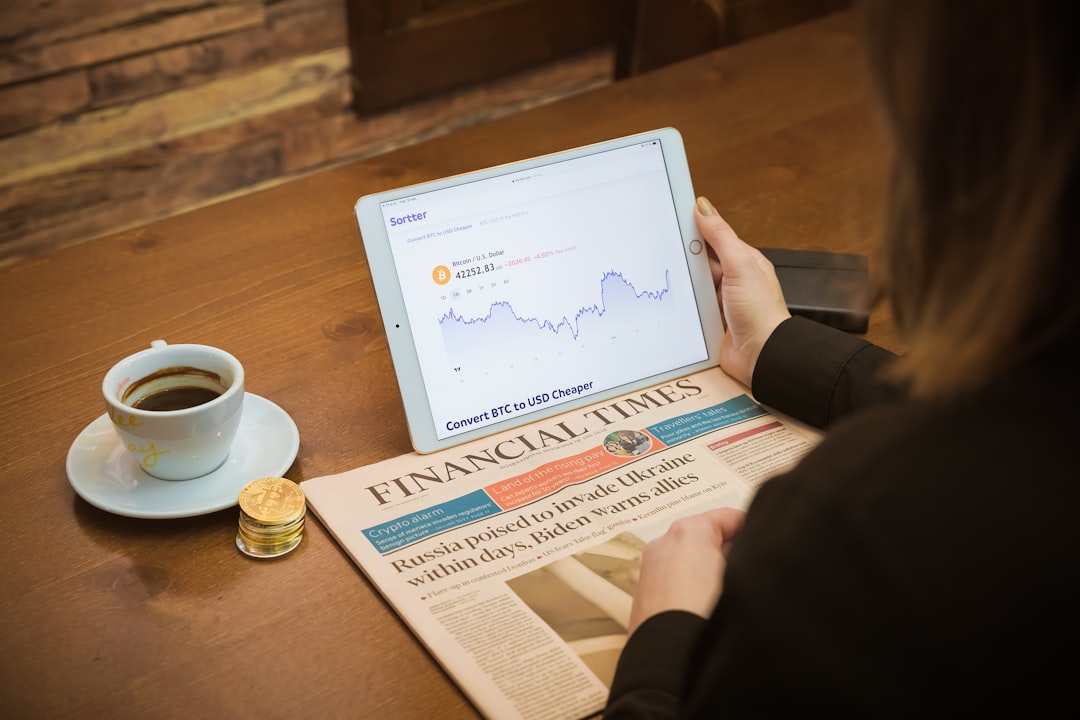
Financial markets are experiencing unprecedented volatility as a dramatic consumer sentiment shift sends ripples through every sector of the economy. This transformation in how consumers perceive their financial future is forcing investors, analysts, and policymakers to recalibrate their strategies in real-time.
The magnitude of this consumer sentiment shift has caught even seasoned market veterans off guard. Recent data reveals consumer confidence metrics swinging at rates not witnessed since the financial crisis, creating a perfect storm of uncertainty that’s dominating trading floors from New York to London. What makes this phenomenon particularly noteworthy is its speed and comprehensive reach across demographic lines.
Traditional economic indicators that typically move in predictable patterns are now exhibiting erratic behavior directly tied to changing consumer attitudes. Retail spending patterns, savings rates, and investment preferences are all reflecting this fundamental shift in how Americans view their economic prospects. The implications extend far beyond simple purchasing decisions, as this sentiment change is influencing everything from housing markets to luxury goods demand.
Technology companies are feeling the most immediate impact of this consumer sentiment shift, with discretionary spending on electronics and digital services showing marked volatility. Meanwhile, defensive sectors like utilities and consumer staples are experiencing unusual trading volumes as investors seek shelter from the uncertainty. The automotive industry presents perhaps the clearest example of this shift, with electric vehicle sales fluctuating wildly as consumer confidence wavers between optimism and caution.
Federal Reserve officials are monitoring this development closely, as consumer sentiment traditionally serves as a leading indicator for broader economic trends. The challenge lies in distinguishing between temporary market noise and genuine structural changes in consumer behavior. Early indicators suggest this shift may represent a more permanent recalibration of consumer expectations rather than a short-term fluctuation.
Corporate earnings reports are beginning to reflect the reality of this changing landscape. Companies with strong consumer-facing operations are reporting significant variations in quarterly performance, directly attributing these changes to shifting consumer attitudes. Supply chain executives are particularly concerned, as the unpredictability makes inventory planning increasingly complex.
International markets are not immune to this phenomenon, as the consumer sentiment shift in the world’s largest economy creates cascading effects globally. Export-dependent economies are adjusting their growth projections, while commodity prices reflect the uncertainty surrounding future demand patterns. Currency traders are incorporating sentiment data into their models with greater emphasis than ever before.
The role of social media and digital communication in amplifying this sentiment change cannot be understated. Information spreads faster and reaches broader audiences than in previous economic cycles, creating feedback loops that accelerate both positive and negative sentiment trends. Financial institutions are investing heavily in sentiment analysis tools to better understand and predict these rapid shifts.
Looking ahead, the persistence of this consumer sentiment shift will likely determine market direction for the remainder of the year. Portfolio managers are increasingly incorporating real-time sentiment data into their decision-making processes, recognizing that traditional fundamental analysis alone may be insufficient in this environment. The companies that successfully adapt to this new reality of heightened consumer volatility will likely emerge as the winners, while those clinging to outdated models may find themselves struggling to maintain relevance in an economy where consumer sentiment drives immediate and significant market reactions.
