
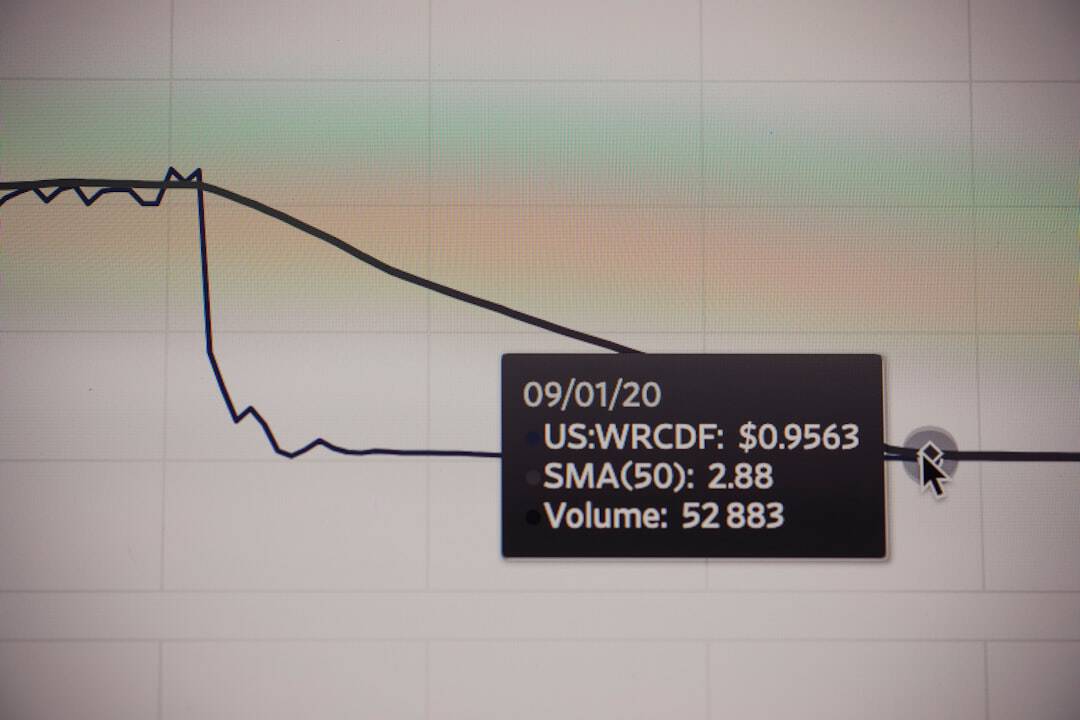
The financial markets have witnessed unprecedented volatility in recent years, with short squeeze events capturing headlines and reshaping trading strategies across the globe. When a short squeeze alert emerges, it signals a potentially explosive situation where heavily shorted stocks face sudden upward pressure, forcing short sellers to cover their positions and driving prices even higher. Understanding the data behind these events has become crucial for both retail and institutional investors navigating today’s complex market landscape.
Recent analysis of market data reveals fascinating patterns in how short squeeze scenarios develop and unfold. The most significant indicator appears to be the combination of high short interest ratios coupled with decreasing float availability. When these metrics align with increased retail trading volume and social media momentum, the probability of a meaningful price movement increases dramatically. Data shows that stocks with short interest exceeding 20% of their float, combined with daily trading volumes surpassing their 30-day average by at least 200%, have historically produced the most significant squeeze events.
The role of options activity in generating a short squeeze alert has evolved considerably, with gamma squeezes now serving as catalysts for traditional short squeezes. When large volumes of call options are purchased, market makers must hedge their positions by buying the underlying stock, creating additional upward pressure. This mechanism has become so prevalent that sophisticated traders now monitor unusual options activity as a leading indicator. The data indicates that when call option volume exceeds put option volume by a ratio of 3:1 or higher, combined with existing high short interest, the likelihood of a squeeze event increases by approximately 40%.
Modern technology has revolutionized how short squeeze alerts are generated and disseminated. Advanced algorithms now scan thousands of securities in real-time, analyzing multiple data points including borrowing costs, days to cover ratios, institutional holdings, and sentiment analysis from social media platforms. These systems can identify potential squeeze candidates hours or even days before the general market becomes aware of the opportunity. The most effective alert systems incorporate machine learning models that have been trained on historical squeeze events, allowing them to recognize subtle patterns that human analysts might overlook.
The impact of retail investor coordination through online communities has fundamentally altered the short squeeze landscape. Data analysis reveals that stocks mentioned frequently across multiple social media platforms, particularly those with existing high short interest, experience significantly higher volatility and trading volumes. However, the data also shows that only approximately 15% of heavily discussed stocks actually experience meaningful short squeezes, highlighting the importance of combining social sentiment with fundamental technical indicators when evaluating a short squeeze alert.
Institutional response to short squeeze threats has become increasingly sophisticated, with many hedge funds implementing dynamic risk management strategies to avoid catastrophic losses. The data shows that short sellers are now more likely to begin covering positions at the first sign of unusual activity, which paradoxically can trigger the very squeeze they’re trying to avoid. This behavior has led to more frequent but less severe squeeze events compared to the massive multi-day rallies seen in previous market cycles.
The timing aspect of short squeeze events has proven to be critical for maximizing returns while minimizing risk. Historical data indicates that the most profitable squeeze plays typically occur within the first 24 to 48 hours of the initial alert, with diminishing returns for those who enter positions later. This compressed timeframe has led to the development of automated trading systems designed to react instantly to short squeeze alert signals, further accelerating the pace at which these events unfold.
Risk management considerations for short squeeze trading have become increasingly important as market participants have learned from past events. The data reveals that while successful squeezes can generate returns of 100% or more in short timeframes, failed squeeze attempts often result in significant losses as momentum traders exit positions rapidly. Successful squeeze traders typically allocate no more than 5-10% of their portfolio to these high-risk, high-reward opportunities and maintain strict stop-loss protocols.
As markets continue to evolve, the effectiveness of short squeeze alert systems will likely depend on their ability to adapt to changing market conditions and regulatory environments. The data suggests that future squeeze events may become more difficult to predict as short sellers implement more sophisticated hedging strategies and market makers adjust their risk management protocols. However, the fundamental dynamics of supply and demand that drive short squeezes remain unchanged, ensuring that these dramatic market events will continue to present both opportunities and risks for informed traders who understand how to interpret the underlying data patterns.
