
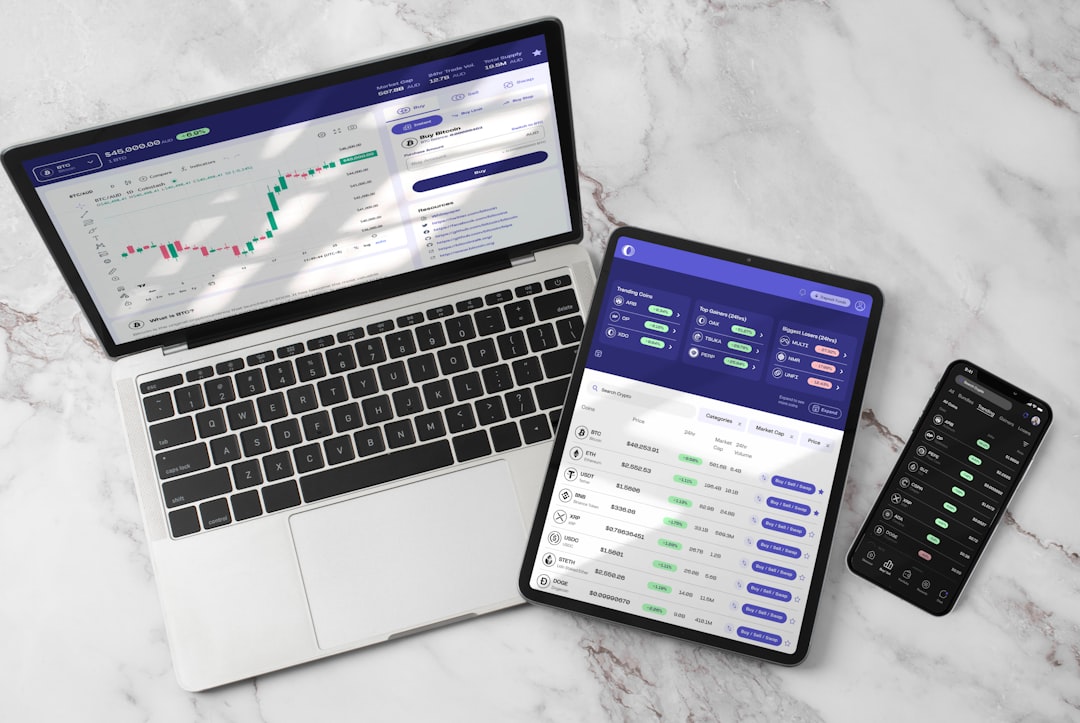
When institutional investors and corporate insiders make significant moves in the options market, they leave behind digital footprints that savvy traders can track. Unusual options activity represents these extraordinary deviations from normal trading patterns, often signaling major price movements before they occur in the underlying stocks. Understanding these patterns has become essential for modern traders seeking an edge in increasingly competitive markets.
The options market processes billions of dollars in transactions daily, but only a fraction qualifies as truly unusual. This activity typically involves trades that are significantly larger than average volume, occur at unusual strike prices, or show abnormal put-to-call ratios. These anomalies often precede earnings announcements, merger activities, or other market-moving events.
Identifying Legitimate Unusual Options Activity Patterns
Not every spike in options volume constitutes meaningful unusual options activity. Legitimate patterns typically exhibit specific characteristics that distinguish them from random market noise. Volume spikes of 500% or more above the 30-day average often catch analysts’ attention, particularly when concentrated in specific strike prices or expiration dates.
The timing of these trades also provides crucial context. Activity occurring early in the trading session, before major news releases, or during typically quiet periods often carries more significance than volume spikes during earnings season or market volatility. Additionally, the ratio between calls and puts can reveal directional bias, with unusual call activity suggesting bullish sentiment and heavy put buying indicating bearish positioning.
Professional traders also examine the bid-ask spread behavior during these unusual periods. When large orders consistently hit the ask price rather than sitting on the bid, it suggests urgency and conviction behind the trades. This aggressive execution style often accompanies insider knowledge or institutional positioning ahead of catalysts.
Technology Tools Revolutionizing Options Flow Analysis
Modern technology has transformed how traders identify and analyze unusual options activity. Real-time scanning algorithms now process millions of options transactions instantly, flagging potential opportunities within seconds of execution. These systems use machine learning to distinguish between random volume spikes and genuinely significant activity.
Advanced platforms integrate multiple data points including option flow, dark pool activity, and institutional block trades to provide comprehensive market intelligence. Some tools even track the historical accuracy of specific unusual activity patterns, helping traders focus on the most reliable signals. Social sentiment analysis has also become integrated with options flow data, providing additional context for unusual trading patterns.
The democratization of these tools means retail traders now have access to information previously reserved for institutional investors. However, the sheer volume of data requires sophisticated filtering to avoid information overload and false signals.
Sector-Specific Patterns in Options Anomalies
Different market sectors exhibit distinct unusual options activity patterns that reflect their unique characteristics and investor behavior. Technology stocks often show aggressive call buying ahead of product launches or earnings beats, while biotech companies frequently experience unusual put activity before FDA announcements or clinical trial results.
Energy sector options activity tends to correlate with commodity price movements and geopolitical events. Financial stocks show increased options volume around Federal Reserve meetings and economic data releases. Understanding these sector-specific patterns helps traders contextualize unusual activity within broader market themes.
Seasonal factors also influence options activity across sectors. Retail stocks often see increased options volume before holiday shopping seasons, while agricultural commodities show patterns aligned with planting and harvest cycles. Recognizing these seasonal tendencies prevents traders from misinterpreting routine cyclical activity as truly unusual.
Risk Management When Trading Options Flow Signals
Following unusual options activity requires disciplined risk management, as not every signal translates into profitable trades. False positives occur regularly, particularly during earnings seasons or periods of high market volatility. Successful traders typically risk only a small percentage of their capital on any single options flow signal.
Position sizing becomes critical when trading these opportunities, as options can expire worthless despite accurate directional calls if timing proves incorrect. Many experienced traders use a tiered approach, entering partial positions on initial signals and adding exposure if confirming evidence emerges.
Stop-loss strategies for options trades differ significantly from stock positions due to time decay and volatility considerations. Some traders set maximum loss thresholds based on premium paid, while others use technical levels in the underlying stock to guide exit decisions. The key lies in establishing clear rules before entering positions rather than making emotional decisions during market stress.
The landscape of unusual options activity continues evolving as markets become more efficient and technology advances. While these signals remain valuable tools for identifying potential opportunities, success depends on combining technical analysis with fundamental understanding and rigorous risk management. Traders who master the art of interpreting options flow while maintaining disciplined approaches to position sizing and risk control often find themselves better positioned to capitalize on market inefficiencies before they disappear.
