
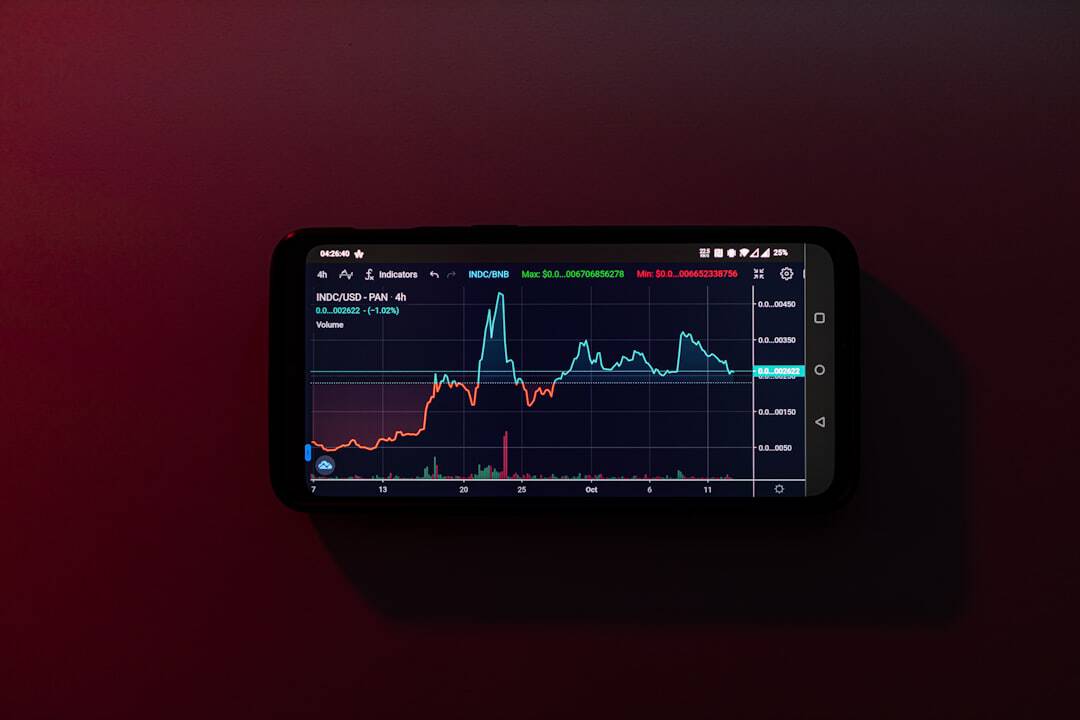
When heavily shorted stocks experience sudden buying pressure, the resulting short squeeze can create explosive price movements that generate massive returns for positioned investors. A short squeeze alert becomes critical for traders looking to capitalize on these high-pressure situations where short sellers are forced to cover their positions, often at significant losses while driving share prices dramatically higher.
The mechanics of a short squeeze are straightforward yet powerful. When institutional investors and hedge funds bet against a stock by borrowing shares to sell short, they create potential fuel for a squeeze. If positive news, earnings beats, or coordinated buying pressure emerges, shorts face mounting losses as the stock price rises. Eventually, margin calls and risk management protocols force these short sellers to buy back shares at higher prices, accelerating the upward momentum.
Identifying High-Risk Short Interest Situations
The most dangerous short squeeze scenarios develop when multiple warning signals align simultaneously. Short interest ratios exceeding 20% of float indicate substantial bearish positioning, while days-to-cover ratios above 5-7 days suggest potential difficulty for shorts to exit positions quickly. When these metrics combine with low institutional ownership and high retail interest, conditions become ripe for explosive moves.
Current market scanning reveals several names showing concerning short interest levels relative to their trading volumes. Stocks with short interest above 30% of float deserve immediate attention, particularly when accompanied by improving fundamental metrics or positive catalysts. These situations create the perfect storm where a short squeeze alert becomes essential for market participants.
Technical Patterns That Signal Squeeze Potential
Beyond raw short interest data, technical analysis reveals crucial patterns that often precede major short squeezes. Ascending triangle formations, particularly when accompanied by increasing volume, suggest accumulation despite heavy short positioning. Additionally, stocks trading near multi-month support levels while maintaining high short interest create compelling risk-reward scenarios.
Options activity provides another critical data point for short squeeze analysis. Unusual call option volume, especially in out-of-the-money strikes, can indicate informed positioning ahead of potential squeezes. When combined with high short interest, elevated options activity often serves as an early warning system for impending price explosions. Gamma squeezes, where market makers must hedge option positions, can amplify short squeeze movements exponentially.
Sector-Specific Squeeze Opportunities
Technology stocks continue showing elevated short interest across multiple subsectors, particularly in emerging areas like artificial intelligence infrastructure and quantum computing. These growth sectors attract both speculative short selling and passionate retail following, creating ideal conditions for squeeze scenarios. Healthcare biotechnology names also demonstrate compelling squeeze potential, especially smaller companies approaching FDA catalysts or partnership announcements.
Energy transition stocks present unique short squeeze opportunities as traditional energy investors clash with renewable advocates. These ideological battles often result in extreme positioning on both sides, creating volatile squeeze potential when sector sentiment shifts rapidly. Additionally, consumer discretionary stocks facing economic headwinds show elevated short interest, making them vulnerable to any positive surprises in earnings or guidance.
Risk Management in Squeeze Plays
Successfully navigating short squeeze opportunities requires disciplined risk management and realistic profit-taking strategies. While squeeze potential can generate triple-digit returns, these movements often prove temporary as fundamental valuations reassert themselves. Setting graduated profit targets allows traders to capture squeeze momentum while protecting against inevitable reversals.
Position sizing becomes critical when playing squeeze scenarios, as volatility can exceed normal ranges by significant multiples. Limiting individual squeeze positions to 2-3% of portfolio value helps manage downside risk while maintaining meaningful upside exposure. Additionally, using trailing stops once squeezes initiate helps lock in profits while allowing continued participation in extended moves.
The current market environment presents numerous compelling short squeeze alert opportunities across multiple sectors and market capitalizations. Success in squeeze trading requires combining quantitative analysis of short interest data with technical pattern recognition and disciplined risk management. While these explosive movements can generate substantial profits, they demand respect for both their potential and their inherent risks. Traders who approach squeeze opportunities with proper preparation and realistic expectations position themselves to benefit from these dramatic market inefficiencies when they ultimately resolve.
