
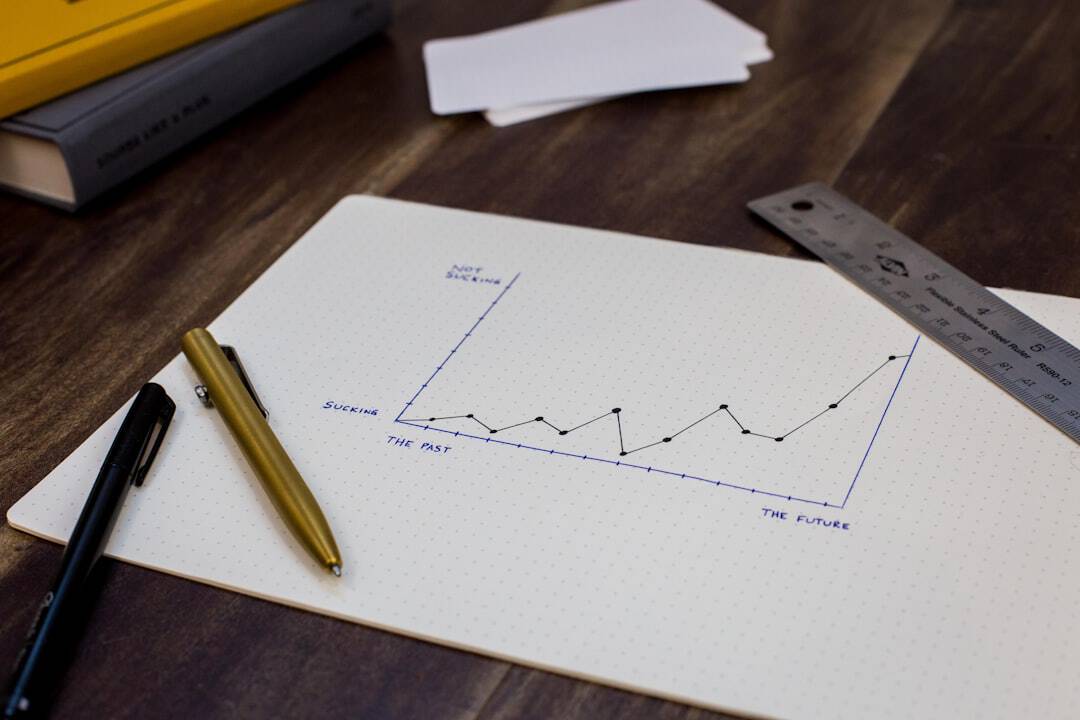
When economists and policymakers announce quarterly GDP figures, the headlines often focus on whether the number beat expectations or fell short. But the real story lies deeper than these surface-level comparisons. Understanding what constitutes a meaningful GDP growth signal requires looking beyond the headline percentage to uncover the underlying economic forces at play.
Every GDP growth signal carries multiple layers of information about an economy’s health, direction, and sustainability. These indicators don’t just measure past performance—they provide crucial insights into future economic trends, employment patterns, and investment opportunities. For investors, business leaders, and anyone seeking to understand economic conditions, learning to decode these signals has become increasingly important in our interconnected global economy.
The composition of GDP growth matters as much as the growth rate itself. A robust GDP growth signal typically emerges from balanced contributions across consumer spending, business investment, government expenditure, and net exports. When growth comes primarily from one sector while others lag, it often indicates underlying imbalances that could prove unsustainable. Consumer spending might surge due to temporary factors like stimulus payments, while business investment remains weak due to uncertainty about future demand.
Inflation adjustments add another crucial dimension to interpreting any GDP growth signal. Real GDP, adjusted for price changes, provides a clearer picture of actual economic expansion than nominal figures. During periods of high inflation, nominal GDP can appear strong while real economic activity stagnates or even contracts. This distinction becomes particularly important when comparing growth rates across different time periods or countries experiencing varying inflation rates.
Regional and sectoral breakdowns within GDP data reveal important nuances that aggregate numbers can mask. A positive national GDP growth signal might hide significant regional disparities, with some areas experiencing rapid expansion while others face contraction. Similarly, growth concentrated in specific industries—such as technology or energy—may not translate into broad-based economic improvement for all workers and communities.
The relationship between GDP growth signals and employment trends provides another critical analytical lens. Historically, strong economic growth correlated closely with job creation and falling unemployment. However, technological advancement and productivity improvements have complicated this relationship. An economy can now generate positive growth while shedding jobs in certain sectors, creating what economists call “jobless recovery” scenarios.
International context significantly influences how to interpret any domestic GDP growth signal. In an interconnected global economy, a country’s growth trajectory depends heavily on trading partner performance, commodity prices, and capital flows. A seemingly strong growth signal might actually reflect temporary factors like inventory building ahead of expected trade disruptions rather than genuine underlying strength.
Forward-looking indicators embedded within GDP components offer valuable predictive insights. Business investment in equipment and structures signals corporate confidence about future demand and profitability. Research and development spending, though a smaller GDP component, often predicts longer-term competitiveness and growth potential. Housing investment reflects both current construction activity and expectations about future demographic and economic trends.
Central banks pay particularly close attention to GDP growth signals when setting monetary policy. Consistently strong growth combined with low unemployment may prompt interest rate increases to prevent overheating and excessive inflation. Conversely, weak growth signals often justify maintaining accommodative monetary conditions to support economic recovery. Understanding this relationship helps predict policy changes that significantly impact financial markets and business conditions.
The timing and revisions of GDP data add complexity to interpreting growth signals. Initial estimates often undergo substantial revisions as more complete data becomes available, sometimes changing the entire narrative about economic performance. Savvy analysts focus on trends across multiple quarters rather than placing too much weight on any single data point, recognizing that the true GDP growth signal emerges from patterns rather than individual readings.
As economic structures continue evolving, traditional GDP measurement faces new challenges in capturing modern economic activity. Digital services, sharing economy platforms, and intangible assets increasingly drive value creation in ways that existing measurement frameworks struggle to quantify accurately. This evolution means that future GDP growth signals may require new interpretive approaches to maintain their relevance as economic indicators.
Mastering the art of reading GDP growth signals ultimately requires combining quantitative analysis with qualitative understanding of broader economic contexts. The numbers provide the foundation, but the real insights come from understanding the human and institutional forces driving those numbers. In our rapidly changing economic landscape, this skill becomes ever more valuable for anyone seeking to navigate uncertainty and identify opportunities for sustainable prosperity.
