
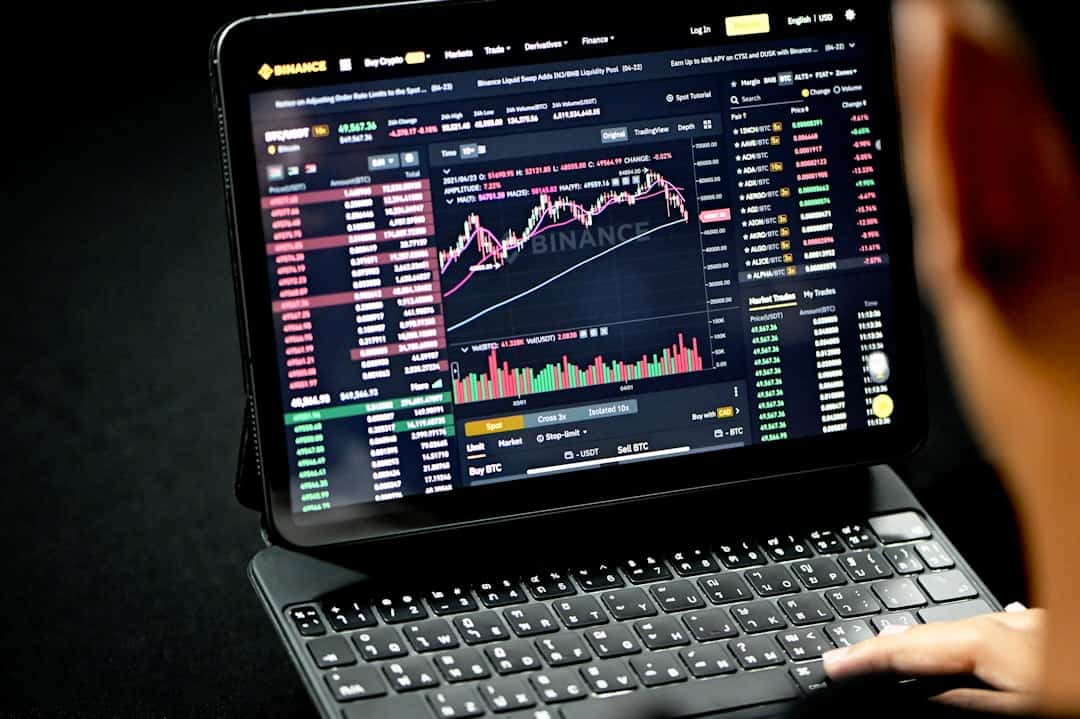
When institutional traders place massive options bets on technology stocks, they leave digital footprints that retail investors can follow. These patterns, known as unusual options activity, represent one of the most powerful signals available to individual traders seeking to align their strategies with the smart money flowing through markets.
Unusual options activity occurs when trading volumes in specific options contracts spike well above their historical averages, often accompanied by premium pricing that suggests informed buying. In the technology sector, this phenomenon has become increasingly significant as hedge funds, pension funds, and sophisticated trading firms use options to position themselves ahead of earnings announcements, product launches, and regulatory developments.
The mechanics behind identifying unusual options activity involve monitoring several key metrics simultaneously. Options volume must exceed the daily average by at least 200%, while open interest patterns reveal whether positions represent new money entering the market or existing positions being closed. Premium levels indicate the urgency behind trades, with buyers willing to pay elevated prices typically possessing material information about upcoming catalysts.
Technology companies present particularly attractive targets for unusual options activity analysis because their stock prices exhibit higher volatility and respond dramatically to fundamental changes. Major players like semiconductor manufacturers, cloud computing providers, and artificial intelligence developers frequently see concentrated options flow ahead of quarterly results or significant partnership announcements. These trades often occur weeks before public information becomes available, providing early warning signals for directional moves.
Institutional traders favor options over direct stock purchases for several strategic reasons. Options provide leveraged exposure with limited downside risk, allowing large positions to be established with significantly less capital. They also offer flexibility through complex spread strategies that can profit from specific price ranges or time decay patterns. Most importantly, options trading generates less immediate market impact than equivalent stock transactions, helping institutions build positions without telegraphing their intentions.
Successful interpretation of unusual options activity requires understanding the distinction between bullish and bearish signals. Heavy call buying combined with rising premiums typically indicates expectations of upward price movement, especially when concentrated in near-term expiration dates. Conversely, unusual put activity often precedes negative developments, though protective puts purchased by existing shareholders can create false bearish signals that require careful analysis.
The timing element adds another layer of complexity to unusual options activity analysis. Activity clustered around earnings dates frequently reflects anticipation of volatility rather than directional conviction, making these signals less reliable for trend following. However, unusual options activity occurring during quiet periods with no scheduled catalysts often proves most predictive, as it suggests institutional traders possess non-public information driving their positioning.
Technology sector analysis benefits from sector-specific patterns that repeat across market cycles. Semiconductor stocks often see unusual options activity ahead of industry conferences where new product announcements typically occur. Software companies exhibit concentrated options flow before quarterly subscription metric releases. Hardware manufacturers show activity patterns tied to product refresh cycles and supply chain developments that affect margins.
Risk management becomes crucial when following unusual options activity signals, as not every pattern translates into profitable outcomes. Institutional traders sometimes use options for hedging purposes rather than directional speculation, creating activity that appears bullish or bearish but actually represents portfolio protection. Additionally, algorithmic trading can generate false signals through automated rebalancing that mimics informed trading but lacks predictive value.
The democratization of options flow data through various financial platforms has leveled the playing field between retail and institutional investors. Real-time scanning tools now identify unusual options activity within minutes of execution, while historical databases allow backtesting of patterns across different market environments. This accessibility enables individual investors to incorporate institutional trading intelligence into their decision-making processes without requiring professional-grade infrastructure.
Following unusual options activity in technology stocks represents a sophisticated approach to market timing that transforms institutional advantages into retail opportunities. By understanding the motivations behind large options trades and correctly interpreting their signals, individual investors can position themselves alongside the smart money driving market movements. The key lies in combining pattern recognition with fundamental analysis to separate genuine opportunities from market noise, creating a sustainable edge in an increasingly efficient marketplace.
