
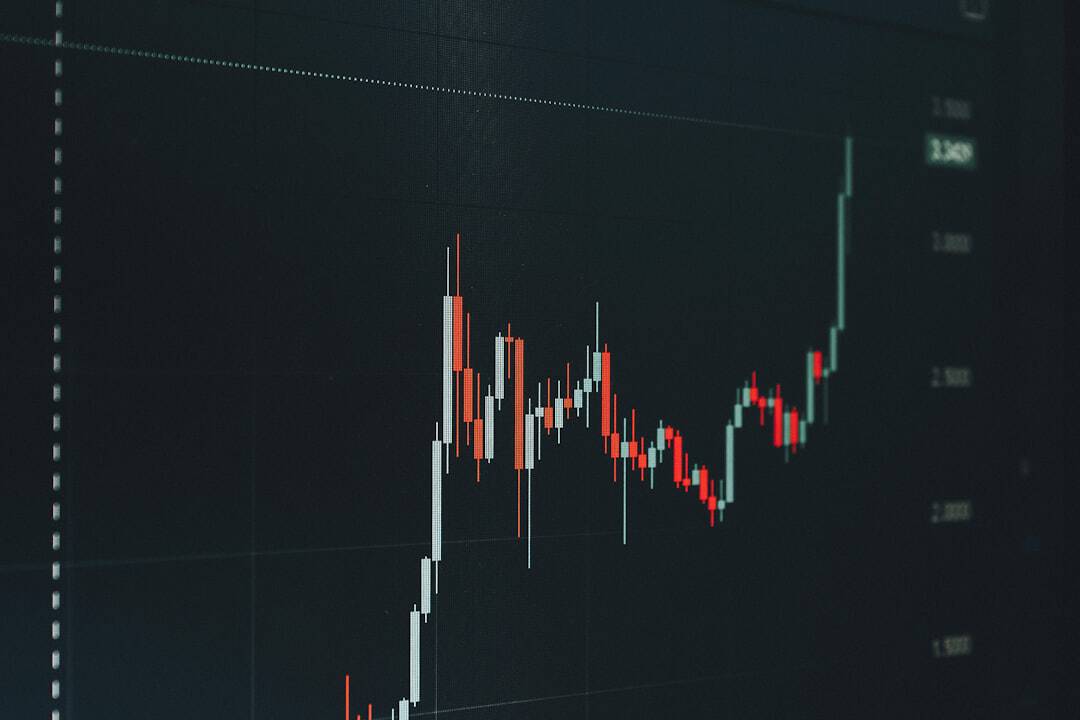
The financial markets are experiencing a seismic shift as massive spikes in options trading volume create unprecedented ripple effects across equity markets. What was once considered background noise in market mechanics has evolved into a dominant force capable of moving individual stocks and entire sectors. This phenomenon of unusual options activity is fundamentally altering how markets behave, creating new opportunities and risks that every investor must understand.
Traditional market analysis relied heavily on stock fundamentals and technical patterns, but the explosive growth in options trading has introduced a new variable that can override conventional wisdom. When unusual options activity occurs, it often signals that informed traders are positioning for significant price movements, creating a self-reinforcing cycle that can amplify market volatility and generate substantial profits for those who recognize the patterns early.
The Mechanics Behind Market-Moving Options Flow
Understanding how unusual options activity disrupts markets requires examining the underlying mechanics of options trading and its impact on stock prices. When large volumes of options contracts are purchased, market makers must hedge their exposure by buying or selling the underlying stock, creating immediate pressure on share prices. This delta hedging process becomes particularly pronounced when options activity reaches unusual levels, as the sheer volume of hedging transactions can overwhelm normal trading patterns.
The gamma effect amplifies this disruption further. As stock prices move closer to heavily traded strike prices, market makers must adjust their hedges more aggressively, creating accelerated price movements that can trigger stop-losses and algorithmic trading programs. This cascading effect explains why stocks with significant unusual options activity often experience outsized price movements that seem disproportionate to any fundamental news or market conditions.
Institutional Strategies Driving Unusual Volume Patterns
Large institutional investors and hedge funds have increasingly turned to sophisticated options strategies that generate massive volume spikes and create the unusual options activity that markets now regularly witness. These institutions use complex multi-leg strategies, such as dispersion trades, volatility arbitrage, and risk reversals, that require thousands of contracts and can dominate daily options volume for specific securities.
The rise of systematic trading strategies has further intensified this trend. Quantitative funds deploy algorithms that can execute enormous options positions within minutes, creating sudden volume surges that trigger alerts across trading platforms. When these systematic strategies identify opportunities simultaneously, the resulting unusual options activity can create dramatic intraday price swings that traditional fundamental analysis cannot explain or predict.
Technology Platforms Amplifying Retail Participation
The democratization of options trading through commission-free platforms and mobile applications has introduced millions of retail traders to strategies once reserved for institutional players. This retail participation adds an unpredictable element to unusual options activity, as social media-driven trading campaigns can generate massive volume spikes that catch even sophisticated market makers off guard.
Real-time options flow data, now available to retail traders through various platforms, has created a feedback loop where unusual options activity begets more unusual activity. When traders spot significant options flow, they often pile into similar positions, amplifying the original signal and creating even larger disruptions in the underlying stock price. This phenomenon has made options flow monitoring an essential tool for modern trading strategies.
Risk Management in the New Options-Driven Environment
The prevalence of unusual options activity has forced traditional portfolio managers to adapt their risk management frameworks to account for options-driven volatility. Stocks can now experience significant price movements based solely on options positioning, regardless of fundamental developments or broader market trends. This reality requires constant monitoring of options flow data and understanding how large positions might affect portfolio holdings.
Professional traders now employ sophisticated scanning tools that identify unusual options activity in real-time, allowing them to position for or hedge against potential price disruptions. The most successful market participants have learned to interpret options flow as a leading indicator of price movement, often providing earlier signals than traditional technical analysis or news-based trading approaches.
The transformation of financial markets through unusual options activity represents more than a temporary trend—it reflects a fundamental shift in market structure that shows no signs of reversing. As options trading continues to grow and new participants enter the market, the disruptive effects of unusual volume patterns will likely intensify. Investors who understand and adapt to this new reality will find themselves better positioned to navigate the increasingly complex landscape of modern financial markets, while those who ignore these signals may find themselves repeatedly surprised by seemingly inexplicable price movements.
