
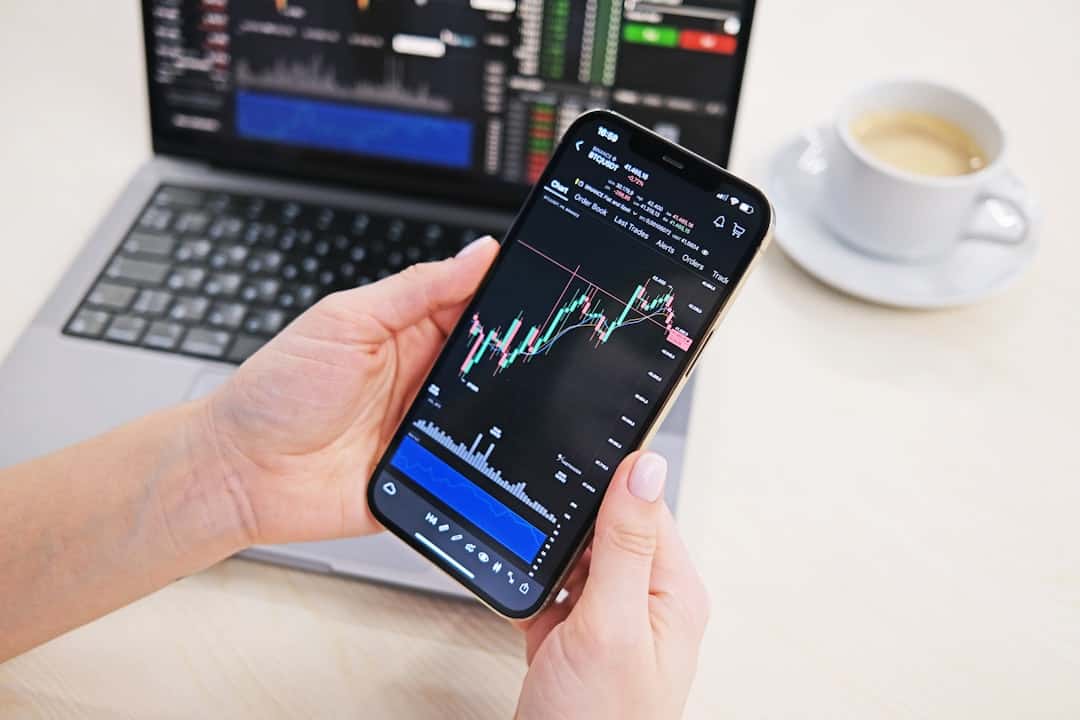
Institutional investors and hedge funds leave digital breadcrumbs every time they place large options trades, creating patterns that savvy market participants can decode for significant profit opportunities. These breadcrumbs, known as unusual options activity, represent trades that deviate dramatically from normal volume and patterns, often signaling major market moves before they become apparent to the broader investing public.
When a stock typically sees 500 options contracts traded daily but suddenly experiences 15,000 contracts in a single session, this unusual options activity demands attention. These anomalies rarely occur by accident. Instead, they frequently represent sophisticated investors positioning for earnings announcements, merger speculation, regulatory decisions, or other catalytic events that could dramatically impact stock prices.
The technology revolution has democratized access to these institutional footprints. Advanced scanning platforms now identify unusual options activity in real-time, flagging trades where volume exceeds average daily levels by 300% or more, or where specific strike prices attract unprecedented interest. These tools analyze millions of options contracts across thousands of securities, surfacing the most compelling opportunities for further investigation.
Understanding the anatomy of significant options flow requires recognizing different trade structures and their implications. Large call purchases often indicate bullish positioning, particularly when concentrated at near-the-money strikes with upcoming expiration dates. Conversely, heavy put buying may signal hedging activity or outright bearish bets. However, the most intriguing unusual options activity occurs when institutions employ complex spreads, such as buying calls while simultaneously selling puts, creating synthetic long positions that amplify potential returns while managing risk exposure.
The timing component of unusual options activity provides crucial context for interpretation. Trades executed during the first hour of market opening or the final hour before closing often carry different weight than mid-day activity. Morning trades may reflect overnight news digestion or pre-market developments, while late-day positioning frequently indicates preparation for after-hours announcements or next-day events.
Sector rotation patterns emerge through careful analysis of unusual options activity across related industries. When technology stocks simultaneously experience heavy call buying while financial sector names see increased put activity, these flows may signal broader economic themes or policy expectations that haven’t yet materialized in stock price movements. Astute observers can position themselves ahead of these rotations by recognizing the early warning signals embedded in options flow.
The explosive growth of retail options trading has complicated traditional unusual options activity analysis. Social media-driven momentum in popular stocks can create volume spikes that mimic institutional positioning but lack the same predictive power. Successful interpretation now requires distinguishing between retail-driven activity and genuine institutional flow through factors such as trade size, execution venue, and accompanying equity volume patterns.
Risk management becomes paramount when acting on unusual options activity signals. While these patterns offer compelling profit opportunities, they also carry significant risks, particularly when retail investors attempt to replicate complex institutional strategies without proper capital allocation or hedging techniques. The most successful approach involves using unusual options activity as one component of a broader investment thesis rather than the sole basis for trading decisions.
Innovation in artificial intelligence and machine learning continues expanding the sophistication of unusual options activity detection. Modern algorithms can identify subtle patterns across multiple timeframes, correlate options flow with historical outcomes, and even predict which types of activity are most likely to result in profitable stock price movements. These technological advances level the playing field between retail investors and institutional players who previously enjoyed exclusive access to order flow information.
The regulatory environment surrounding options trading continues evolving, with increased transparency requirements providing retail investors better access to institutional trading patterns. Real-time reporting of large trades and enhanced disclosure requirements create more opportunities to spot unusual options activity as it develops, rather than discovering it hours or days after execution when the most profitable opportunities have passed.
Market volatility amplifies the importance of unusual options activity as a forecasting tool. During periods of uncertainty, institutional investors often increase their options usage for hedging and speculation, creating more frequent and pronounced activity spikes. These volatile environments present both greater opportunities and elevated risks, making skilled interpretation of options flow even more valuable for investment success.
The convergence of technology, transparency, and market access has transformed unusual options activity from an exclusive institutional advantage into a powerful tool available to educated retail investors. Those who master the art of identifying and interpreting these patterns gain access to the same forward-looking market intelligence that drives professional trading strategies, creating opportunities to profit alongside rather than after the smart money makes its moves.
