
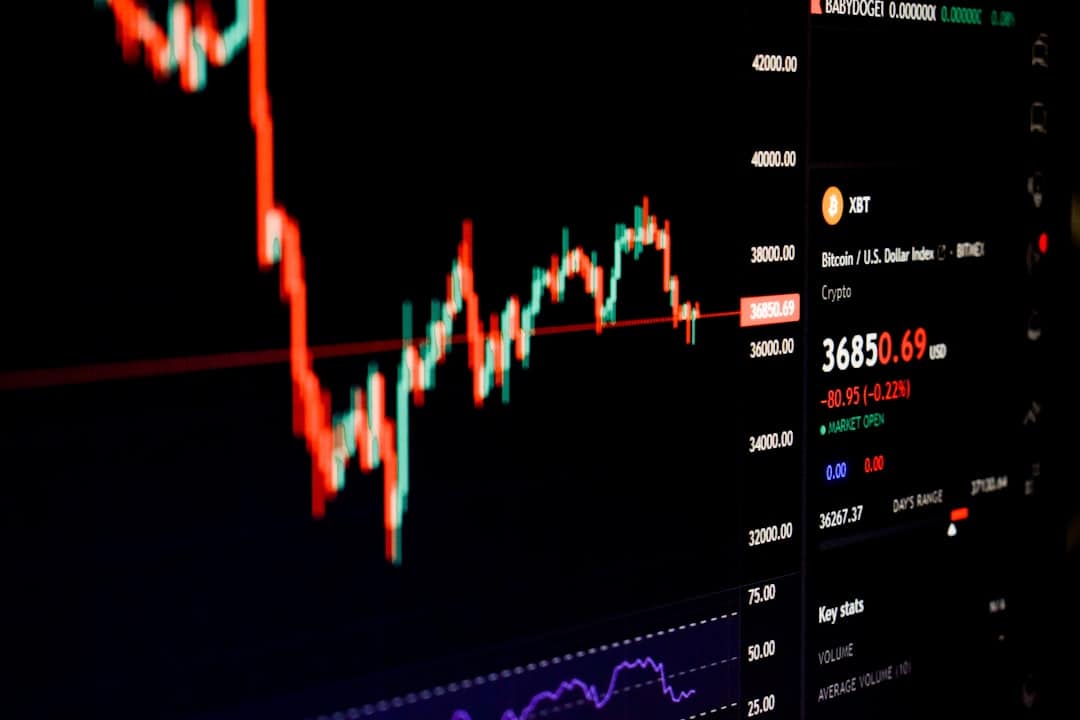
Financial markets are experiencing unprecedented volatility as a dramatic consumer sentiment shift continues to rewrite the investment playbook. Recent data reveals consumer confidence has swung dramatically across multiple sectors, creating ripple effects that extend far beyond retail spending patterns into corporate earnings, monetary policy decisions, and global market dynamics.
This consumer sentiment shift represents more than typical market fluctuation—it signals a fundamental change in how consumers view their economic future, spending priorities, and financial security. As investors scramble to understand the implications, major indices are reflecting this uncertainty with significant daily swings that haven’t been seen in recent years.
Economic Data Reveals Unprecedented Consumer Behavior Changes
The latest consumer sentiment surveys paint a complex picture of shifting priorities and expectations. Traditional spending categories are experiencing dramatic reversals, with luxury goods seeing unexpected surges while previously stable sectors face declining demand. This consumer sentiment shift is particularly pronounced among younger demographics, who are demonstrating entirely new purchasing patterns that challenge decades of economic modeling.
Economic analysts note that this transformation goes beyond typical cyclical changes. The data shows consumers are fundamentally reassessing their relationship with debt, savings, and discretionary spending. Credit card usage patterns, mortgage applications, and investment account activities all reflect this broader consumer sentiment shift, creating new challenges for financial institutions attempting to predict future trends.
Corporate Earnings Face Direct Impact From Shifting Consumer Preferences
Major corporations across industries are reporting earnings that directly reflect this ongoing consumer sentiment shift. Retail giants are experiencing dramatic variations in quarterly performance, with some categories exceeding expectations while others fall significantly short. Technology companies, automotive manufacturers, and healthcare providers are all recalibrating their strategies to align with evolving consumer priorities.
The consumer sentiment shift is forcing companies to accelerate digital transformation initiatives, restructure supply chains, and completely rethink marketing approaches. Traditional market leaders are finding themselves vulnerable to disruption, while nimble competitors are capitalizing on the changing landscape to gain market share and establish new industry positions.
Federal Reserve Policy Considerations Amid Consumer Uncertainty
Central banking policies are increasingly influenced by this consumer sentiment shift, as policymakers attempt to balance inflation concerns with employment stability and economic growth. The Federal Reserve’s recent statements indicate growing awareness that traditional monetary tools may not be sufficient to address the current economic environment shaped by rapidly changing consumer behavior.
Interest rate decisions now carry additional complexity, as the consumer sentiment shift creates uncertainty about how rate changes will impact spending, saving, and investment decisions. Financial institutions are adjusting their lending practices and risk assessments to account for these evolving consumer patterns, creating secondary effects throughout the broader financial system.
Investment Strategies Adapt to New Consumer Reality
Portfolio managers and institutional investors are fundamentally restructuring their approaches in response to this consumer sentiment shift. Traditional sector allocations are being questioned as consumer preferences create unexpected winners and losers across industries. Value investing principles are being reexamined as companies with strong fundamentals face challenges from shifting consumer demand patterns.
Alternative investment strategies are gaining prominence as investors seek to capitalize on the opportunities created by this consumer sentiment shift. Private equity firms are targeting companies positioned to benefit from changing consumer behaviors, while hedge funds are developing sophisticated models to predict and profit from continuing market volatility driven by evolving consumer preferences.
The consumer sentiment shift dominating today’s financial headlines represents a pivotal moment in economic history. As markets continue adapting to this new reality, investors and institutions that successfully navigate these changes will likely emerge stronger, while those clinging to outdated models may find themselves left behind. The key to success lies in understanding that this transformation reflects deeper societal changes that will continue shaping financial markets for years to come.
