
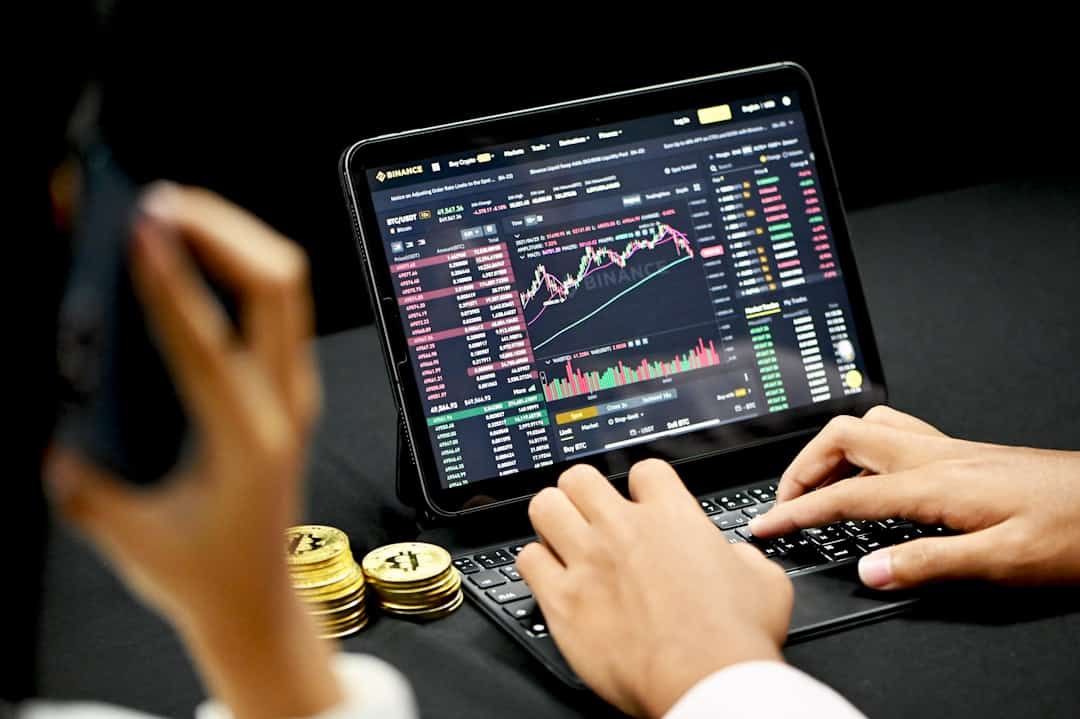
The financial markets are experiencing a fundamental shift as unusual options activity reaches unprecedented levels, fundamentally altering how securities trade and how institutional investors approach risk management. What was once considered noise in the market has evolved into a powerful force capable of moving stock prices, triggering volatility spikes, and forcing even the most sophisticated trading algorithms to recalibrate their strategies.
This phenomenon represents more than just increased trading volume in options contracts. Unusual options activity encompasses trades that deviate significantly from normal patterns—massive bets on specific strike prices, extraordinary concentrations of call or put buying, and coordinated movements that suggest informed positioning ahead of major market events. These patterns have become increasingly prevalent as retail participation in options markets has exploded, creating ripple effects that extend far beyond the derivatives markets themselves.
The mechanics behind this disruption are rooted in the interconnected nature of modern financial markets. When large volumes of options contracts are purchased, market makers must hedge their positions by buying or selling the underlying stocks. This delta hedging creates artificial demand or supply pressure that can drive stock prices in directions that have little to do with fundamental company performance. The result is a feedback loop where options activity influences stock prices, which in turn affects options pricing and triggers additional trading.
Institutional investors who once relied on traditional technical and fundamental analysis are now incorporating options flow data into their decision-making processes. The emergence of unusual options activity as a predictive indicator has led to the development of sophisticated scanning tools and alert systems designed to identify these patterns in real-time. Hedge funds and proprietary trading firms have allocated significant resources to monitoring these flows, recognizing that they often precede major price movements by hours or even days.
The Technology Behind Market Disruption
Advanced algorithms now parse through millions of options transactions daily, identifying patterns that suggest informed trading or coordinated positioning. These systems flag contracts with unusually high volume relative to open interest, trades executed at ask prices suggesting urgency, and block transactions that indicate institutional participation. The speed at which this information is processed and acted upon has accelerated the pace at which markets respond to unusual options activity.
Social media platforms and financial forums have amplified the impact of these patterns by democratizing access to options flow information. What was once the exclusive domain of institutional investors is now available to retail traders through various apps and websites that provide real-time alerts about significant options activity. This accessibility has created a new dynamic where retail investors can pile into positions based on unusual flow, further magnifying the market impact.
The regulatory implications of this shift are still being evaluated by market oversight bodies. The potential for manipulation through coordinated options activity has raised concerns about market integrity, while the increased correlation between options flows and stock movements has prompted discussions about whether additional disclosure requirements should be implemented for large options positions.
Quantifying the Market Impact
Recent analysis of market movements shows that stocks experiencing significant unusual options activity demonstrate measurably different volatility patterns compared to those trading on traditional volume patterns. The options market, which was historically viewed as a sideshow to equity trading, now represents a driving force in price discovery for many securities. This role reversal has profound implications for how investors should interpret market signals and construct portfolios.
The concentration of unusual options activity in specific sectors and timeframes has created new arbitrage opportunities while simultaneously increasing systemic risk. When large portions of the market become influenced by derivatives-driven flows rather than fundamental factors, traditional valuation metrics become less reliable predictors of future performance. This environment favors traders who can quickly identify and capitalize on flow-driven movements while penalizing those who rely solely on conventional analysis methods.
Exchange-traded funds have become particularly susceptible to options-driven volatility, as the underlying holdings can be pushed in unnatural directions by derivatives activity on the fund itself. This creates additional complexity for portfolio managers who must now consider not just the fundamentals of individual holdings but also the potential impact of unusual options flows on their positions.
As markets continue to evolve, the influence of unusual options activity appears likely to grow rather than diminish. The combination of increased retail participation, algorithmic trading systems, and social media amplification has created a new market ecosystem where derivatives tail increasingly wags the equity dog. Investors who fail to adapt to this reality risk being left behind by markets that respond more to flow patterns than fundamental analysis, making the understanding and monitoring of unusual options activity an essential skill for modern market participation.
