
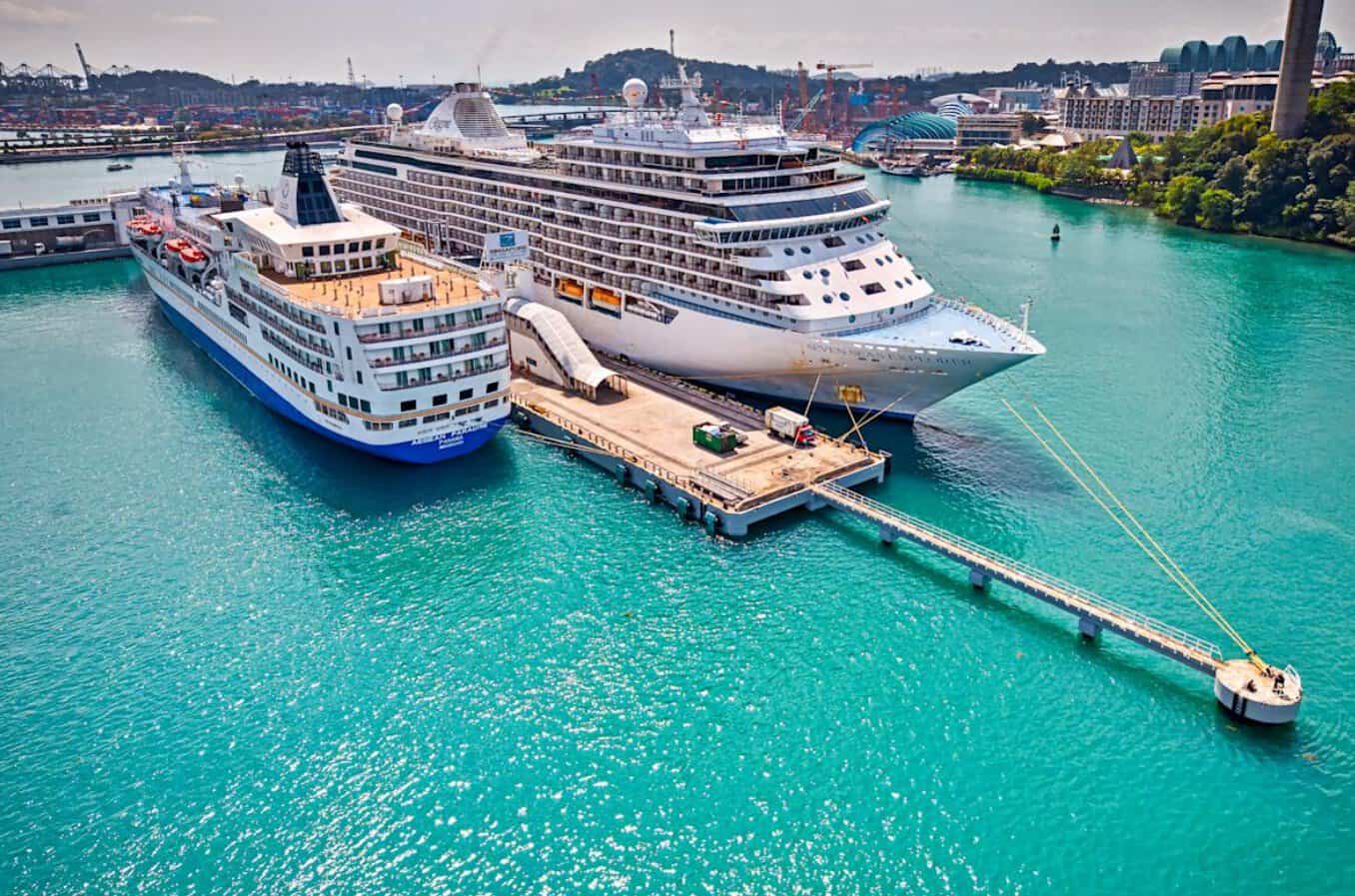
Cruises seem easy. Unpack once, gorge on the buffet, then wake up somewhere new and exotic. But along the way, there are plenty of opportunities for your best laid plans to go overboard, from delayed flights to unexpected medical issues.
That’s why cruise travel insurance deserves a closer look than the add-on option most cruise lines offer at checkout. A standalone, comprehensive policy can provide more robust coverage — and ultimately — more peace of mind.
Here’s everything you need to know about cruise travel insurance.
What is cruise travel insurance?
Cruise travel insurance is designed for the extra risks cruises can bring, from missed departures to medical emergencies at sea.
These policies also include much of the same basic coverage as standard travel insurance, such as trip cancellation, delays, and lost baggage.
Most importantly, cruise travel insurance includes emergency medical coverage, which is essential, said Chrissy Valdez, senior director of operations at Squaremouth, a travel insurance comparison website.
“Cruise ship infirmaries function as private urgent care centers at sea, which typically results in treatment costs being higher than you’ll find on land,” said Valdez.
Some examples of cruise-specific travel insurance include:
-
Seven Corners Cruise Insurance
-
Berkshire Hathaway’s WaveCare
-
Travel Guard Cruise Travel Insurance
-
Tin Leg Cruise
Travel cruise insurance isn’t always a separate product. Many insurers sell comprehensive travel insurance plans that work well for cruises, even if the plan doesn’t specifically include the word cruise in the name.
“It’s more important to purchase an insurance product that has the appropriate coverage and benefits for your trip, regardless of whether it is specifically marketed for cruisers,” said Daniel Durazo, director of external communications at Allianz Partners, an insurance company.
Cruise lines sell vacation protection plans, too, but those might not be as robust as third-party travel insurance policies. They might bundle insurance with cancellation waivers, future cruise credits, or assistance services. That’s convenient, but it can limit what’s covered and how you’re reimbursed.
What does cruise travel insurance cover?
Cruise travel insurance can cover trip cancellation if you cancel for a covered reason, such as illness, injury, or a death in the family. Or it can cover trip interruption if you leave the cruise early or join late because of a covered event.
Cruise insurance can also cover delayed bags, lost luggage, travel delays, prepaid excursion cancellation, and lost passports.
However, medical coverage is the part cruisers shouldn’t gloss over. A solid travel insurance policy should include at least $100,000 for emergency medical and $250,000 for medical evacuation benefits, Valdez said.
Emergency medical and medical evacuation coverage
Many U.S. health plans don’t work the same way at sea. Original Medicare, for example, won’t cover any medical costs if you’re more than six hours away from a U.S. port.
Medical care on a cruise isn’t automatically included in your fare. You usually pay out of pocket for onboard doctor visits, diagnostic tests, and prescription drugs, with much higher prices than you’d pay on dry land.
While cruise medical centers can handle roughly 95% of illnesses and injuries onboard, according to the Centers for Disease Control and Prevention, more serious cases can require evacuation to a shoreside hospital. Those transfers can be complex and expensive, especially if your ship is far from port.
How expensive? The CDC estimates medical evacuation from a distant or remote location can cost over $250,000.
“Seriously ill passengers will often be taken by ambulance to the nearest health care facility in the port where the cruise ship is docked,” said Durazo. “These facilities may not be able to handle all types of medical issues, and the passenger may need to be moved to another facility or evacuated to the United States.”
In June, the U.S. State Department spent $750,000 to medically evacuate a U.S. citizen on a remote island in the South Pacific after she departed a Dutch cruise liner where a hantavirus outbreak had occurred, leaving her behind as the ship continued to other destinations.
That case might be extreme, but it illustrates how complicated — and expensive — medical logistics can get in far-flung locations.
Emergency care onboard a ship can be pricey too. In December 2022, a cruise passenger suffered multiple seizures and had to be evacuated by rescue boat. Before leaving, the couple was handed a $2,500 bill by Royal Caribbean for onboard observation, a blood test, anticonvulsant medicine, and a fee for receiving care outside the ship’s medical center.
Medical coverage and evacuation limits for cruise travel insurance vary widely. Carnival Vacation Protection lists up to $20,000 in medical coverage and up to $50,000 for emergency medical evacuation. Meanwhile, a standalone policy such as Allianz’s OneTrip Premier plan lists $75,000 in emergency medical benefits and $1 million in emergency medical transportation benefits.
Those differences matter. A $30,000 evacuation limit may sound high until you need an air ambulance from a distant port.
However, some cruise lines appear to be stepping up their medical benefits. Royal Caribbean, for example, began offering $100,000 in emergency medical benefits and $500,000 in medical evacuation coverage starting in June 2026.
What cruise travel insurance doesn’t cover
Cruise insurance doesn’t cover everything. Standard trip cancellation benefits, for example, only apply to covered reasons listed in the policy. Changing your mind or getting nervous about a tropical storm brewing in the Caribbean usually won’t qualify unless you purchase cancel-for-any-reason coverage as an add-on.
Itinerary changes are another sore spot. Cruise lines can switch ports due to weather, safety concerns, strikes, or port restrictions. A skipped stop might not be reimbursable unless your policy includes a missed port or itinerary change benefit.
There are certain scenarios travel insurance rarely covers, regardless of the type of policy you buy.
Common exclusions can include:
-
Foreseeable events, such as buying a policy after a hurricane is named
-
Routine medical care
-
Losses involving intoxication or illegal acts
-
War
-
Adventure activities, such as skydiving or scuba diving
-
Unattended belongings
-
Preexisting conditions (unless the policy includes a waiver)
Buying through the cruise line can be convenient, but don’t assume it covers the entire trip. Some plans cover air or hotel only if you booked those pieces through the cruise line. And some cancel-for-any-reason benefits come back as future cruise credits, not cash.
How much does cruise travel insurance cost?
Travel insurance usually costs about 4% to 10% of your insured prepaid, nonrefundable trip costs, according to InsureMyTrip, a travel insurance comparison site.
Squaremouth’s 2026 cruise insurance cost data found that comprehensive cruise policies with cancellation coverage cost $545 on average, while medical-only cruise policies averaged about $100. Comprehensive plans with cancel-for-any-reason coverage averaged about $804.
The cost of policies sold through cruise lines varies widely.
Princess Cruises’ protection plans cost 10% of fare costs for trip cancellation coverage, or 12% for the premium plan, which includes standard travel insurance benefits, like medical care and trip interruption benefits.
Meanwhile, MSC Cruises’ policy costs vary based on the cost of your trip, with a $2,000 trip costing $230 to insure and a $4,000 trip costing $380 to insure for people under the age of 75.
Cancel-for-any-reason cruise coverage explained
Cancel-for-any-reason coverage, or CFAR, is an optional upgrade that lets you cancel for reasons not listed in the base policy. It’s the closest thing to “I just don’t want to go anymore” protection, but it doesn’t provide a full refund either.
CFAR coverage added to a comprehensive standalone policy typically reimburses 50% to 75% of prepaid, nonrefundable trip costs. So if you spent $3,000 all-in on a getaway cruise for your family, expect to get about $1,500 to $2,250 back from the insurer.
If you’re interested in CFAR coverage, you usually need to:
-
Buy the coverage within 14 to 21 days of your first trip payment.
-
Insure 100% of your prepaid nonrefundable costs.
-
Cancel at least 48 hours before departure.
CFAR drives up the cost of a policy. Squaremouth says CFAR can raise a cruise policy premium by 40% to 50%.
Cruise-line cancellation waivers can look similar to standalone policies on the surface. Carnival’s plan, for example, says covered cancellation reasons can pay 100% of the trip cost back in cash, while cancellation for a reason not listed in the plan can return 75% as a future cruise credit.
Meanwhile, Royal Caribbean’s travel plan says cancellation for specified reasons can reimburse 100% of unused prepaid trip cost, while cancellation for other reasons can provide 90% in future cruise credits.
Cruise insurance for preexisting medical conditions
Preexisting conditions are one of the biggest reasons to buy cruise insurance early. Whether it’s high blood pressure, asthma, or a recent knee surgery, the insurance company can deny your claim unless you have a preexisting condition waiver.
Rules vary by plan, but you typically need to buy the policy soon after your first trip deposit, usually within 14 to 21 days. You may need to insure the full prepaid, nonrefundable trip cost and be medically able to travel when you buy the policy.
On the plus side, preexisting condition waivers generally don’t increase the cost of your policy, the way CFAR coverage does.
How to buy cruise travel insurance
You can buy cruise travel insurance through the cruise line, directly from an insurer, or through a comparison website, such as Squaremouth or InsureMyTrip.
The process usually starts by providing basic details about your trip, including your destination, travel dates, total prepaid trip cost, travelers’ ages, and where you live. From there, you can compare plan options and coverage limits.
When comparing cruise travel insurance policies, look for:
-
Strong medical and evacuation coverage: Medical care at sea or abroad can get expensive fast, so experts like Valdez recommend looking for policies with at least $100,000 in emergency medical and $250,000 in medical evacuation coverage.
-
Missed connection coverage: This can help pay to catch up to the ship if a delayed flight causes you to miss embarkation.
-
Coverage for the full trip: Make sure flights, hotels, excursions, and transfers are also covered if you booked them separately from the cruise.
-
Cash reimbursement vs. cruise credit: Some cruise-line plans reimburse certain cancellations with future cruise credit instead of cash.
-
Preexisting condition and CFAR deadlines: These benefits are time-sensitive and only available if you buy the policy soon after your first trip payment.
-
Cruise-specific limits and exclusions: Check whether the policy covers missed ports, itinerary changes, shipboard disruptions, and adventure excursions.
“Also look for a company that offers a free mobile app that lets you take your policy with you on your phone, file a claim, and contact your insurance company quickly,” suggested Durazo.
Travel insurance on cruise ships FAQs
Do I really need travel insurance for a cruise?
Most cruises don’t legally require you to buy travel insurance, but skipping it can be a gamble if your trip is expensive, nonrefundable, international, medically risky, or tied to flights.
Is it better to buy insurance through the cruise line or a third party?
Cruise-line plans are easy to add and generally affordable, but third-party plans often offer stronger medical limits, broader trip coverage, and cash reimbursement.
Does cruise travel insurance cover preexisting medical conditions?
Only if the plan includes a preexisting condition waiver and you meet the requirements, including buying a policy within 14 to 21 days of your first trip payment and covering the full nonrefundable trip cost.
