
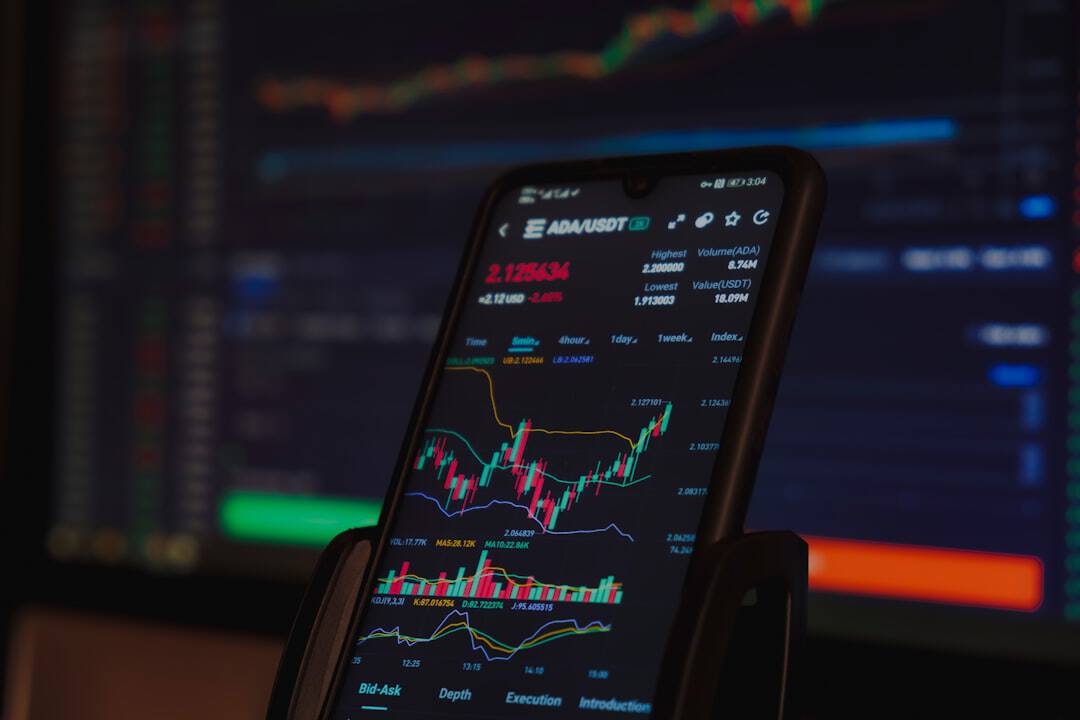
Financial markets are experiencing unprecedented volatility as a dramatic consumer sentiment shift captures the attention of economists, investors, and policymakers worldwide. This fundamental change in how consumers view the economy is creating ripple effects across multiple sectors, influencing everything from stock valuations to Federal Reserve policy decisions.
The latest data reveals a stark transformation in consumer attitudes that defies traditional economic indicators. While employment figures remain robust and GDP growth continues, the consumer sentiment shift suggests Americans are increasingly cautious about their financial future. This disconnect between hard economic data and consumer psychology is forcing analysts to reconsider their market predictions and investment strategies.
The Data Behind the Consumer Sentiment Shift
Recent surveys from the University of Michigan and the Conference Board paint a compelling picture of changing consumer attitudes. The Consumer Confidence Index has declined 15% over the past quarter, marking one of the most significant drops in recent memory. This consumer sentiment shift isn’t occurring in isolation – it’s accompanied by notable changes in spending patterns, savings rates, and debt accumulation.
Demographic analysis reveals that the sentiment shift is particularly pronounced among middle-income households earning between $50,000 and $100,000 annually. These consumers, who traditionally drive retail spending and economic growth, are expressing heightened concerns about inflation persistence, housing affordability, and retirement security. The generational divide is equally striking, with millennials and Gen X showing markedly different sentiment patterns compared to baby boomers.
Regional variations add another layer of complexity to this consumer sentiment shift. Urban consumers in major metropolitan areas are displaying different behavioral patterns than their suburban and rural counterparts, suggesting that local economic conditions and cost-of-living pressures are playing crucial roles in shaping overall sentiment.
Market Sectors Most Affected by Changing Consumer Attitudes
The consumer sentiment shift is creating winners and losers across various market sectors. Retail giants are experiencing divergent performance, with discount retailers and value-focused brands gaining market share while luxury and discretionary spending categories face headwinds. This rotation reflects consumers’ increasing price sensitivity and preference for essential goods over discretionary purchases.
Technology stocks, particularly those focused on consumer applications and e-commerce platforms, are witnessing significant volatility as investors attempt to gauge how the sentiment shift will impact future growth trajectories. Companies with strong subscription models and recurring revenue streams are generally outperforming those dependent on one-time purchases or advertising revenue.
The housing market represents perhaps the most visible manifestation of this consumer sentiment shift. Mortgage applications have declined despite relatively stable interest rates, suggesting that potential buyers are adopting a wait-and-see approach. This hesitancy is creating inventory buildups in certain markets and putting pressure on homebuilder stocks and related industries.
Federal Reserve Response to Sentiment Changes
Central bank officials are closely monitoring this consumer sentiment shift as they calibrate monetary policy decisions. The divergence between traditional economic indicators and consumer confidence metrics is creating new challenges for policymakers who rely on consumer spending to drive economic growth. Recent Federal Reserve communications suggest that officials are incorporating sentiment data more heavily into their decision-making framework.
The relationship between consumer sentiment and inflation expectations has become particularly crucial. When consumers expect prolonged economic uncertainty, they tend to alter their spending and saving behaviors in ways that can either accelerate or decelerate inflationary pressures. This dynamic is forcing the Federal Reserve to balance traditional monetary policy tools with newer approaches that account for psychological factors driving economic behavior.
Market participants are now parsing Federal Reserve statements for clues about how central bankers interpret the consumer sentiment shift and its implications for future rate decisions. The traditional Phillips Curve relationship between employment and inflation may be less reliable when consumer psychology diverges significantly from economic fundamentals.
Investment Implications and Portfolio Strategies
Professional investors and wealth managers are adapting their strategies to account for the ongoing consumer sentiment shift. Value investing approaches are gaining renewed attention as growth stocks face headwinds from changing consumer priorities. Defensive sectors such as utilities, healthcare, and consumer staples are attracting increased allocation as portfolio managers seek stability amid uncertainty.
Alternative investment strategies are also benefiting from this environment. Real estate investment trusts focused on essential services, infrastructure investments, and commodities are experiencing increased demand from investors seeking inflation protection and steady cash flows. The consumer sentiment shift is essentially rewarding companies and assets that provide stability and essential services while penalizing those dependent on discretionary consumer spending.
International diversification strategies are gaining prominence as investors recognize that the consumer sentiment shift may be primarily a domestic phenomenon. Emerging markets and developed international economies with different consumer dynamics are attracting capital from U.S.-based investors seeking to hedge against domestic sentiment risks.
The current consumer sentiment shift represents more than a temporary fluctuation in consumer confidence – it signals a fundamental recalibration of American economic psychology that could influence market dynamics for years to come. Investors, policymakers, and business leaders who recognize and adapt to these changing sentiment patterns will be best positioned to navigate the evolving economic landscape. As this transformation continues to unfold, monitoring consumer attitude data may prove as important as traditional economic indicators in predicting market direction and investment outcomes.
