
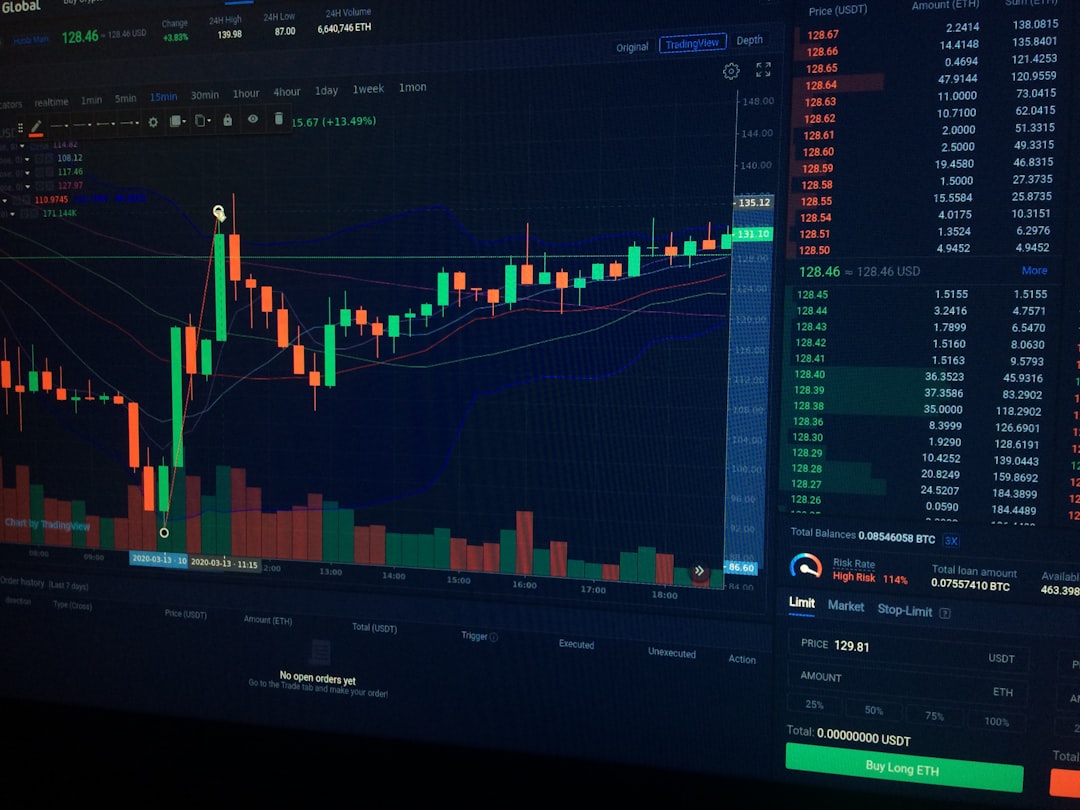
The technology sector has become the epicenter of unprecedented trading patterns, with unusual options activity reaching levels that demand investor attention. When institutional traders place massive bets through options contracts, they’re essentially telegraphing their expectations for significant price movements ahead.
Understanding unusual options activity begins with recognizing that options markets often serve as a crystal ball for informed money. These sophisticated investors use options strategically, whether to hedge existing positions, speculate on directional moves, or capitalize on volatility expectations. When volume in specific options contracts suddenly spikes well above historical averages, it signals that someone with substantial capital believes something significant is about to happen.
The technology investment case becomes particularly compelling when examining recent patterns. Major tech stocks have experienced options volume surges that dwarf their typical trading ranges, often accompanied by unusual call-to-put ratios that suggest bullish institutional sentiment. This unusual options activity frequently precedes earnings announcements, product launches, or regulatory decisions that could materially impact stock prices.
Professional traders monitor several key indicators when identifying unusual options activity. Volume represents the most obvious signal—when daily options volume exceeds the 20-day average by 200% or more, institutional involvement becomes likely. Open interest changes provide another crucial data point, revealing whether positions are being opened or closed. Additionally, the timing of these trades relative to expiration dates offers insights into expected catalyst timeframes.
Technology companies present unique opportunities for options strategies due to their inherent volatility and growth potential. Software stocks, semiconductor manufacturers, and emerging technology firms often experience dramatic price swings around quarterly earnings or industry developments. This volatility creates fertile ground for unusual options activity as institutions position themselves ahead of potential breakouts or breakdowns.
The risk-reward dynamics of unusual options activity require careful consideration. While following institutional money can prove profitable, retail investors must understand that these same institutions possess superior information, analytical resources, and risk management capabilities. Simply mimicking unusual options activity without proper due diligence can lead to significant losses, particularly when dealing with short-term options contracts that decay rapidly.
Market makers and algorithmic trading systems also contribute to unusual options activity, sometimes creating false signals that mislead retail investors. Distinguishing between genuine institutional positioning and market-making activity requires analyzing trade timing, size patterns, and accompanying stock price movements. Authentic institutional interest typically manifests through consistent buying pressure across multiple strike prices and expiration dates.
Technology stocks’ correlation with broader market trends adds another layer of complexity to unusual options activity analysis. During periods of market uncertainty, tech stocks often experience amplified volatility as investors rotate between growth and value sectors. This rotation creates opportunities for astute options traders who can identify when unusual activity reflects genuine conviction versus temporary sector rotation.
The proliferation of retail trading platforms has democratized access to options data, enabling individual investors to track unusual options activity previously available only to institutional clients. However, this accessibility comes with the responsibility to properly interpret and act upon such information within appropriate risk parameters.
For investors seeking to leverage unusual options activity in their technology investment strategy, patience and selectivity prove essential. The most profitable opportunities often emerge from sustained patterns of institutional interest rather than isolated volume spikes. By combining unusual options activity analysis with fundamental research and technical analysis, investors can develop a more comprehensive understanding of potential price catalysts and position themselves accordingly for the tech sector’s next significant moves.
