
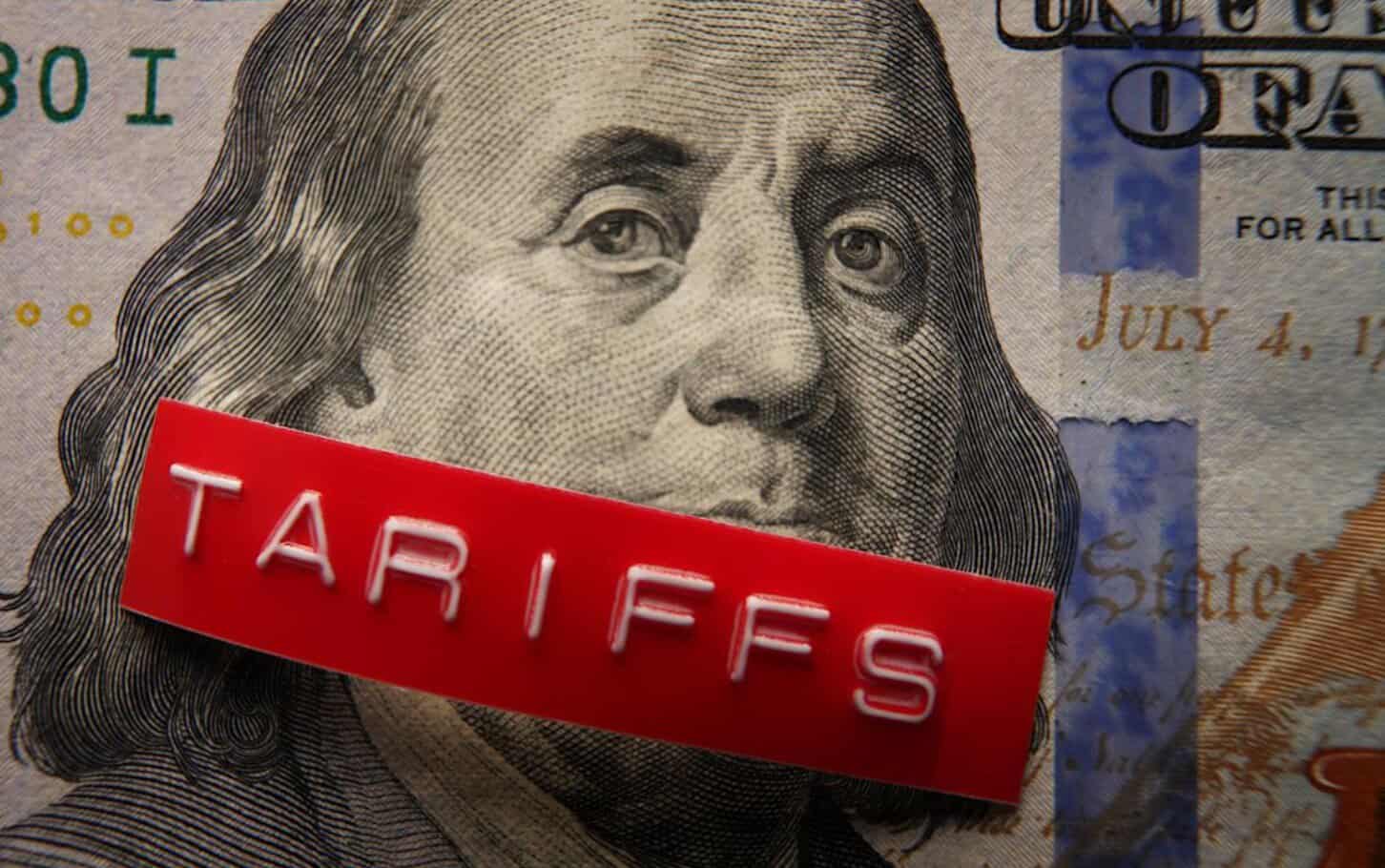
Over the past year, news of the Trump administration’s ever-evolving tariff policy has dominated headlines. And Americans are concerned about how higher tariffs will impact their ability to afford daily essentials.
The Trump administration recently announced plans for new tariffs on the European Union, Canada, Brazil, and China, as part of an effort to replace the 2025 tariffs that the Supreme Court struck down in February.
Tariffs increase the cost for businesses to bring foreign products into the country. So, to maintain profit margins, companies often pass those costs along to consumers in the form of higher prices. There’s no telling how much higher these tariffs will go or how long they’ll be in place, but there are steps you can take to reduce the impact these policies have on your wallet.
What are tariffs?
In short, tariffs are taxes imposed by the government on imported goods. They’re usually charged as a percentage of the item’s value and are paid by the importer when the product enters the country.
According to 2025 estimates by the Center for American Progress, the typical American household can now expect to pay an average of $4,600 annually because of Trump’s tariffs. A different analysis by the Budget Lab at Yale estimated that the annualized cost of Trump’s new tariff scheme for the typical American family is $4,700.
5 ways to tariff-proof your finances
Tariffs can be a frightening prospect for consumers because there’s no way to predict how high tariffs will get and how deeply they will impact your personal finances. However, there are still steps you can take to prepare yourself and your wallet for the potential impacts.
1. Prioritize your savings
When prices rise, it may be harder to justify setting aside cash in a savings account. However, higher costs make it more important than ever to ensure you have a solid financial safety net.
“Keep building that emergency fund,” said Matt Schulz, chief consumer finance analyst for LendingTree. Most experts recommend saving up at least six months’ worth of expenses. This financial cushion can help you absorb sudden increases in the cost of essentials as well as avoid going into debt if your monthly expenses outpace your budget or if an unexpected bill hits during a period of higher inflation.
2. Cut back on nonessentials
Now is a good time to reevaluate your budget and see where you can cut back, especially on nonessential purchases (aka discretionary spending). For example, you can freeze memberships you aren’t using, downgrade subscriptions to versions with ads, or even try a no-spend challenge.
Reducing your discretionary spending — even if it’s temporarily — can open up more cash flow to put toward essential bills, savings, and debt repayment.
3. Re-think debt repayment
With prices on the rise, it could make sense to adjust your debt repayment strategy.
“Money you have to put toward paying down credit card debt or other high-interest debt is money that can’t go toward putting food on the table, building an emergency fund, or reaching other financial goals,” Schulz said. “It’s also money that can’t be used to offset rising prices.”
In other words, aggressively paying down your debts may not be the best move right now, depending on how much extra money you have in your budget. Instead, Schultz suggested using a 0% balance transfer credit card or low-interest personal loan to consolidate those debts and decrease the amount of interest you’re paying. Again, this can help improve your cash flow if money is tight.
4. Shop smarter
When tariffs are driving prices up, being intentional about what, where, and how you buy is key.
For example, you may consider stocking up on nonperishables and household staples before prices rise further. If you have a large family, it could make sense to join a warehouse club (such as Costco or Sam’s Club) to save on the per-unit cost of frequently used items in your home.
Additionally, avoid spending on products that are impacted more heavily by higher tariffs, such as electronics, toys, and clothing. You can also use cash-back apps such as Rakuten, Honey, or Ibotta to earn back money on essentials.
5. Speak to a professional
If you’re struggling to manage your finances and aren’t sure what your priorities should be, it can help to consult a financial planner. They can help you come up with a tailored plan to pay off debt, meet your savings goals, improve the return on your investments, and create a budget with these goals in mind.
“Regardless of whether tariffs are implemented, your goals are still your goals,” Schulz said. For instance, you still need to invest in your retirement. You may also be saving money to buy a home, pay for your kid’s college education, or pay for a wedding. “These things still matter, so don’t let uncertainty around tariffs keep you from focusing on them,” he said.
